
People & Memories · From the Winter 2020 archive
The Sounds of Old Rocklin: Whistles, Dance Music, and a Nine O’Clock Bell
Family memories preserve a town’s soundscape: quarry whistles marking the workday, music near the tracks, and children calling across quiet streets.
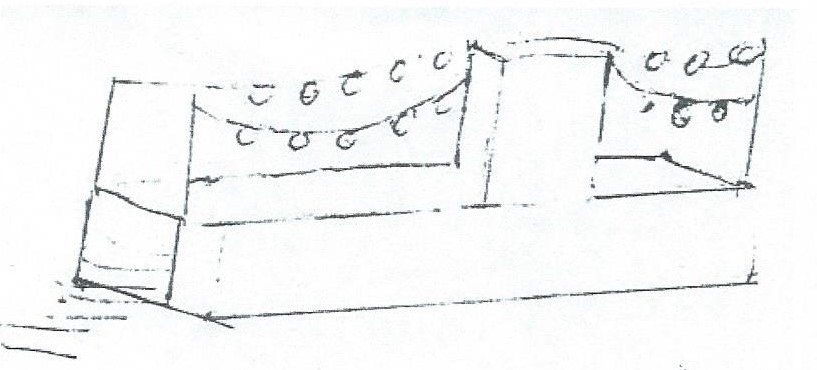
What did old Rocklin sound like? In the Winter 2020 Quarry Quarterly, Doug Osella gathered family memories and earlier recollections that answered with more than the expected train whistle.
The sounds marked working hours, brought people together, and told children when it was time to go home.
Music near the tracks
Former police chief Ernie Willard remembered frequent dances at Finn Hall and a local brass band. Other recollections described an open-air dance platform downtown near the railroad, with the musicians on a raised stand in its center.
Marie Martilla Ojala preserved its arrangement in a drawing. Ila Wickman Davis remembered ragtime and two-step dancing, while passing train crews slowed to look at the activity even when they could not hear the music.
A town heard from home
Quarry whistles called workers at 7:30 in the morning and released them at 4:30 in the afternoon. At night, nine strokes of the firehouse bell announced the children’s curfew. A blacksmith’s hammer added another familiar working sound.
Osella’s mother, Ilona, remembered the clatter at the depot and the distant whistles of locomotives approaching crossings. She also remembered how quiet the streets could be: a neighbor’s Model T starting near the cemetery was audible far away.
Children took advantage of that quiet in a hiding game called “Tally-i-ho.” Their shouted signal could carry across town, even beyond the railroad tracks. These recollections preserve something a photograph cannot: the everyday rhythm of a place as its residents heard it.
There’s more to discover
Keep reading.
From the same newsletter
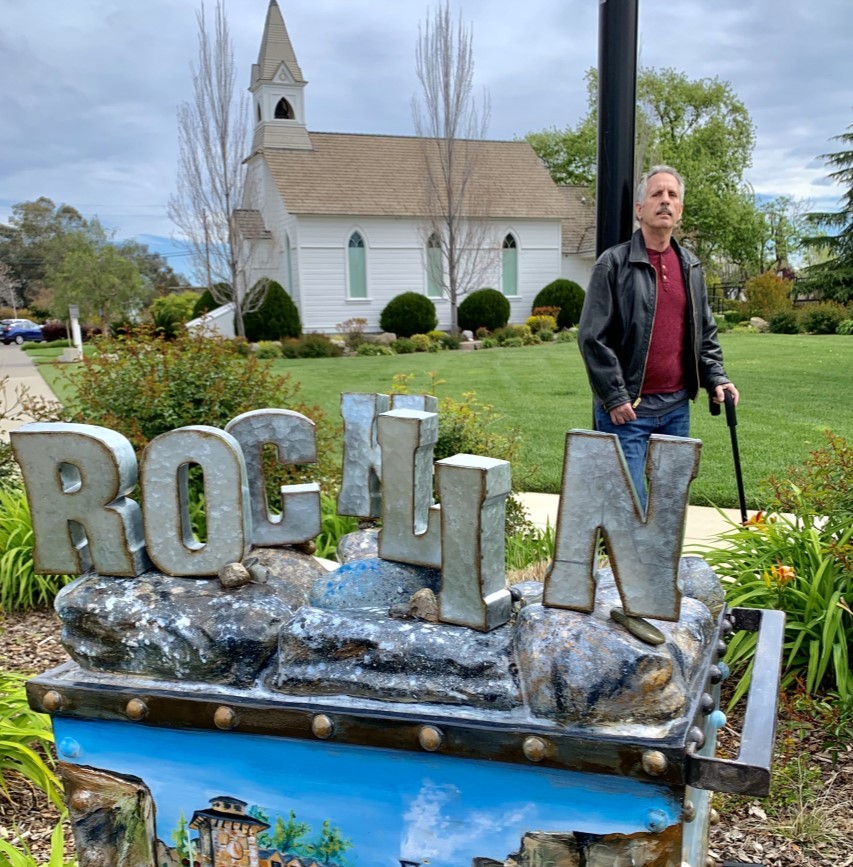
Buck Clark: A Neighbor Who Helped Build Community
Buck Clark’s roofs, restoration work, and neighborly generosity helped sustain Rocklin’s historic buildings and community traditions.
Winter 2020 · 2 min read
More People & Memories
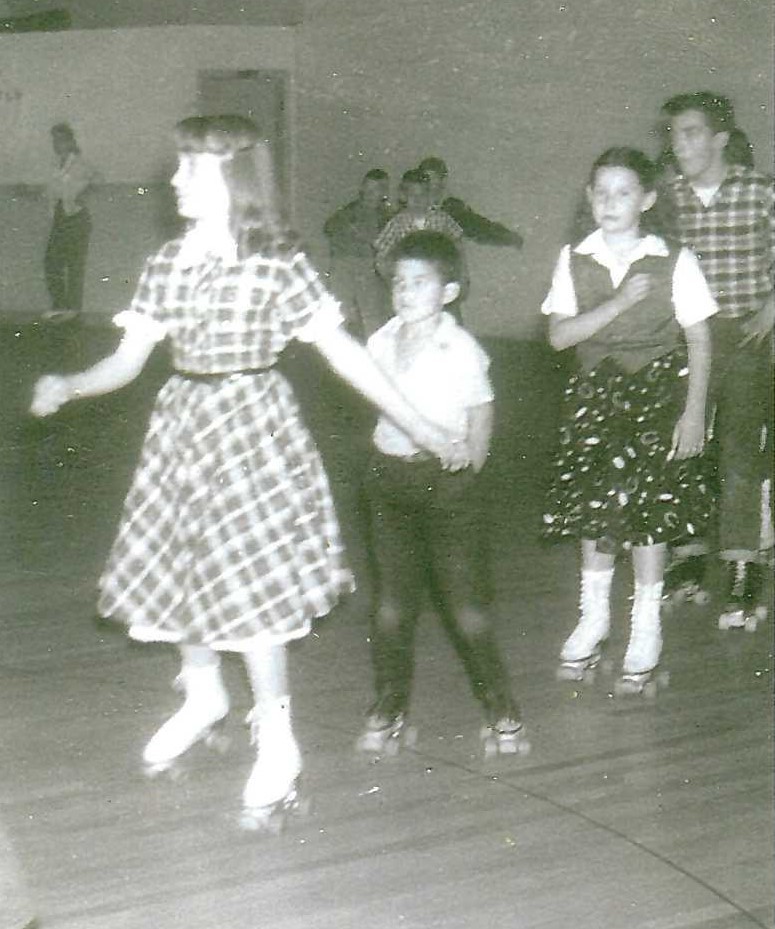
It All Started at the Rink: Memories of Rocklin’s Stardust
Doug Osella remembered the Stardust Skating Rink as a childhood gathering place—and the place where his parents first skated together.
Spring 2021 · 2 min read
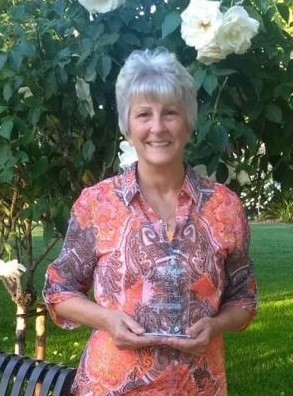
Kathie Nippert: Twenty Years of Showing Up for Rocklin
Kathie Nippert’s 2021 Pioneer Award recognized service to the museum, firehouse, library, and many of Rocklin’s community traditions.
Summer 2021 · 2 min read
Gay Morgan’s Classroom Memories: The Teachers Who Opened a Wider World
Gay Morgan remembered the Rocklin Grammar School teachers who nurtured her love of reading, art, history, and community life in the 1930s and 1940s.
Summer 2020 · 2 min read