
Railroads & Quarries · From the Fall 2020 archive
Saving Central Pacific Coach No. 12: An 1869 Survivor
A 2020 call for help brought railroad historians together to save a passenger car connected with the completion of the Transcontinental Railroad.
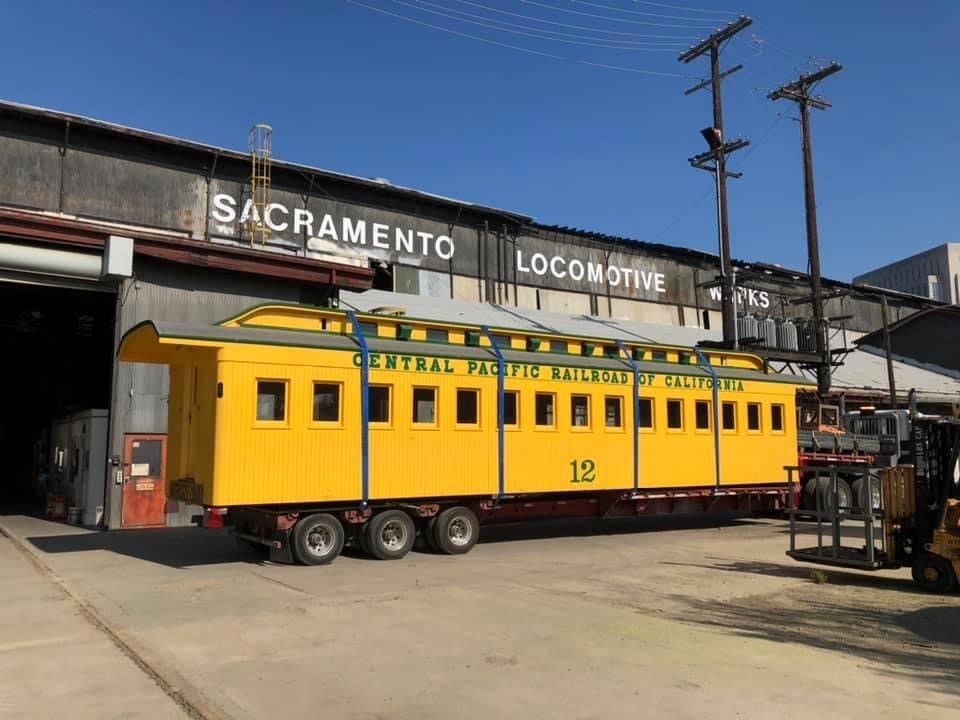
In July 2020, an urgent message reached railroad historians: Central Pacific Coach No. 12 needed to leave the Calistoga Depot, where it had been preserved since 1978. Plans to convert the depot’s interior placed the old passenger car at risk.
Scott Inman’s Fall 2020 Quarry Quarterly report explained why people moved quickly to save it—and why Rocklin supporters hoped it might eventually become part of a railroad history center here.
A journey to the golden spike
Built by the Wason Manufacturing Company in Springfield, Massachusetts, in 1869, Coach No. 12 traveled west as the first transcontinental line was being completed. Along with sister car No. 16, it carried Union soldiers, including an Army band, toward the celebration at Promontory.
The cars were present for the occasion but stood on a siding rather than in the famous meeting of the two locomotives. Afterward, they joined Leland Stanford’s westbound train toward Sacramento.
A rescue and a temporary home
A supporter of the Southern Pacific Railroad History Center project offered to fund removal and transportation. The Merchant family donated the coach, Scott Heavy Movers handled its extraction, and the California State Railroad Museum offered storage.
The newsletter reported the car saved and described plans for it to be visible to museum visitors. A future move to Rocklin remained a hope tied to the proposed history center, not a completed relocation.
The rescue protected a rare physical connection to 1869. Its story also shows the practical side of preservation: someone had to recognize the significance, raise the alarm, pay for the move, and find a safe place for the object to wait.
There’s more to discover
Keep reading.
From the same newsletter
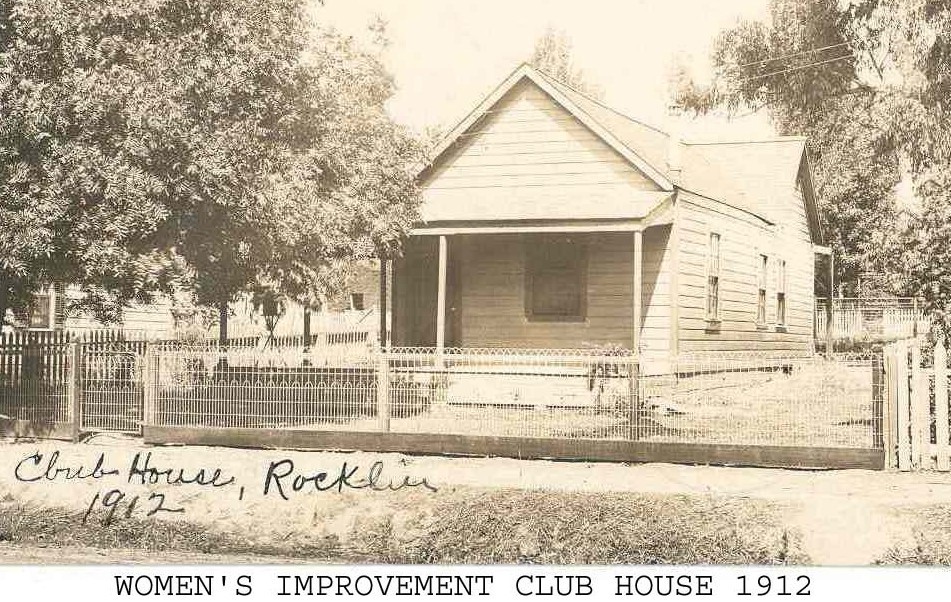
The Women’s Improvement Club: Small Projects That Changed Rocklin
Rocklin’s Women’s Improvement Club supported recreation, sanitation, schools, and historical markers through organized community work beginning in 1912.
Fall 2020 · 2 min read
More Railroads & Quarries
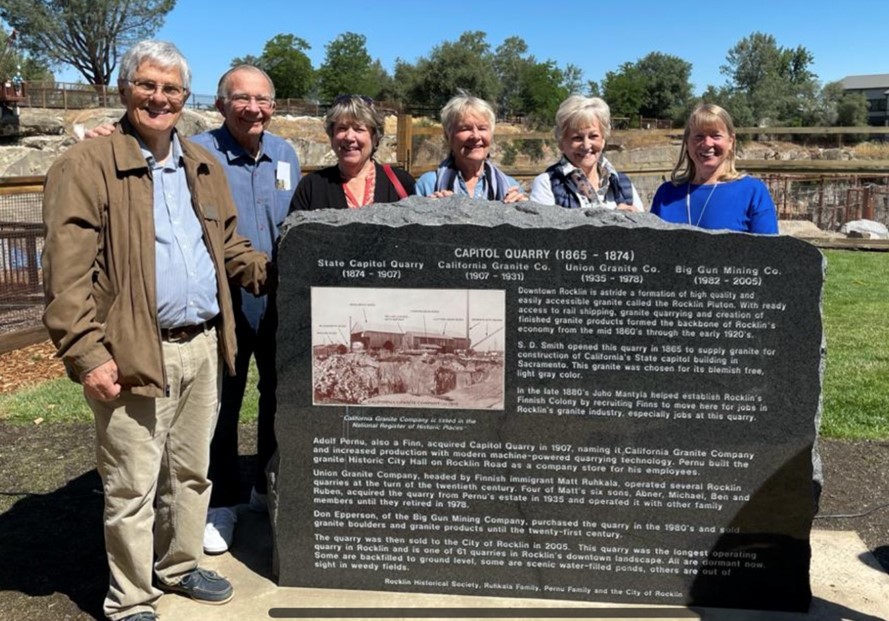
A Granite Marker for Capitol Quarry’s Lost Cutting Shed
The Capitol Quarry marker used a historic photograph and black granite to preserve the story of its cutting shed after the building was removed.
Summer 2021 · 2 min read
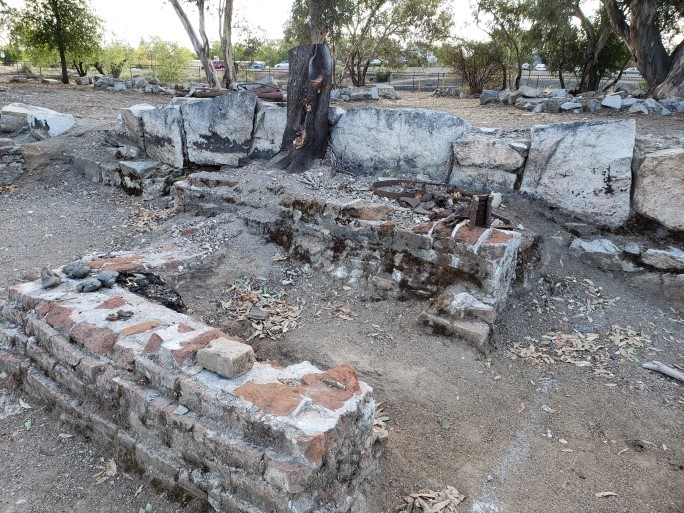
Opening Rocklin’s Roundhouse Site to the Community in 2019
A volunteer cleanup and public tours brought Rocklin’s roundhouse site into the 2019 transcontinental railroad anniversary celebrations.
Fall 2019 · 2 min read
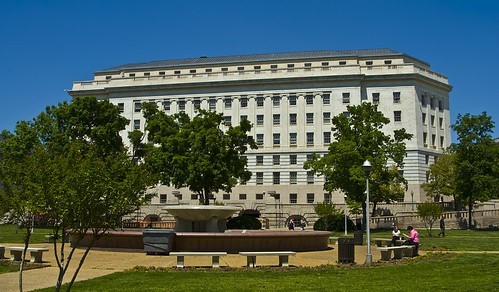
A Little Rocklin in Washington: The Granite Benches at Spirit of Justice Park
Rocklin’s Union Granite Company made 32 benches for Washington in 1968. A 2022 family inquiry helped locate them at Spirit of Justice Park.
Summer 2022 · 2 min read