
Rocklin History · From the April 20, 2018 archive
Many Communities Shaped Early Rocklin
Gold, granite, and the railroad brought newcomers to a landscape with a much older Indigenous history.
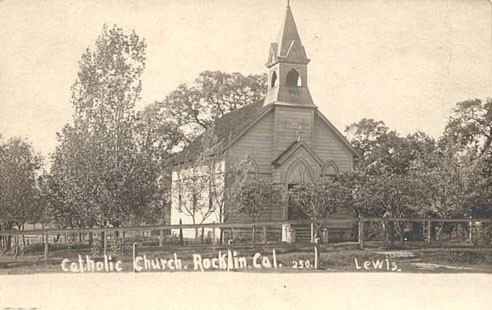
Rocklin’s history did not begin with the railroad. Gary Day’s April 2018 survey began with Indigenous occupation of the area before describing the newcomers drawn by gold, transportation, and granite.
The Nisenan lived in this landscape long before Euro-American settlement. Disease, violence, and displacement disrupted their communities during the nineteenth century. That history belongs alongside accounts of the town’s later growth.
Work and migration
Irish immigrants came to mine and later worked for the railroad. Chinese laborers helped build the transcontinental line and formed a local community. Finnish quarry workers and their families became prominent in business and civic life, leaving Finn Hall as a visible landmark.
Spanish families often reached California after labor contracts in Hawaii. Day’s account followed their work in orchards, fruit processing, and local businesses. It also noted Japanese employment at the Whitney Ranch.
Remembering exclusion as well as achievement
The story included the forced removal of Rocklin’s Chinese residents in 1877 and the destruction of their homes. Later discrimination constrained both Chinese and Japanese immigrants.
Read together, these histories resist a single, simple origin story. The city grew through the work of many communities, while prejudice denied some of those same residents safety and opportunity. Day’s full article remains available in the original issue.
There’s more to discover
Keep reading.
From the same newsletter
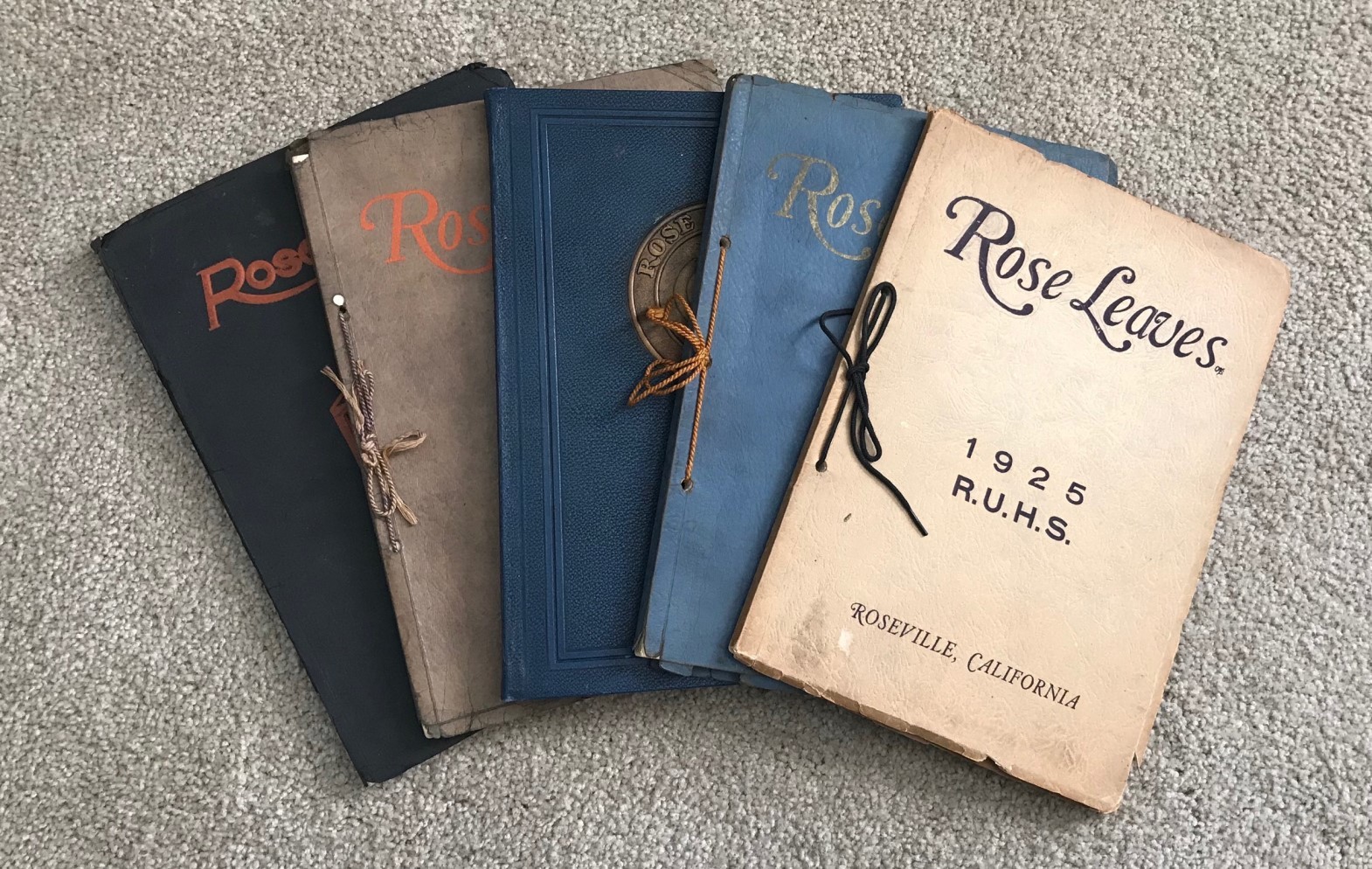
School Yearbooks Bring Rocklin Families Back into Focus
A 2018 donation of early Roseville High School yearbooks added personal detail to the museum’s record of Rocklin families.
April 20, 2018 · 2 min read
More Rocklin History
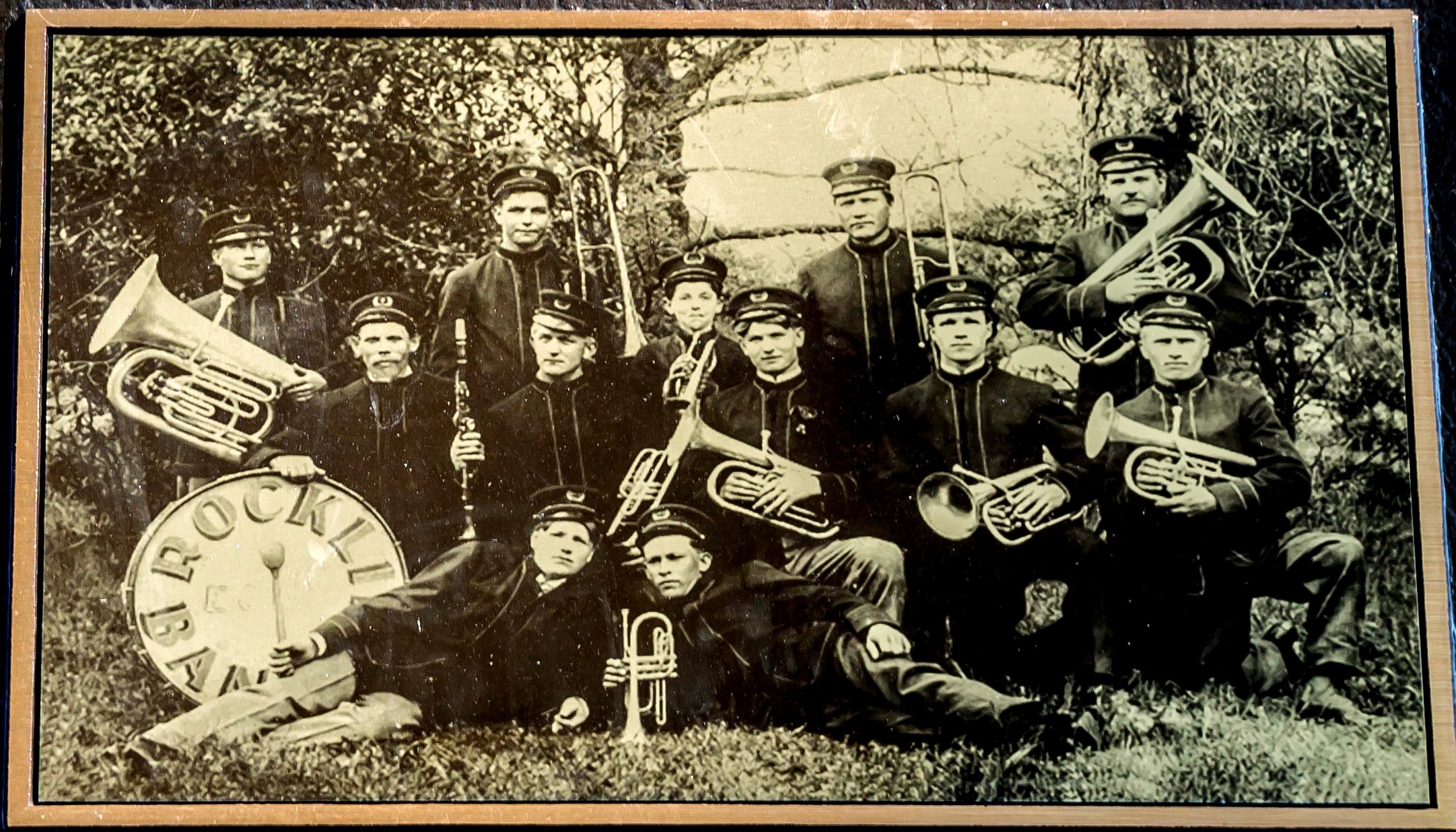
How Did Rocklin Get Its Name? A Mystery in the Historical Record
Gary Day examined railroad, family, Finnish, and Irish explanations for Rocklin’s name—and separated evidence from tradition.
November 2017 · 2 min read
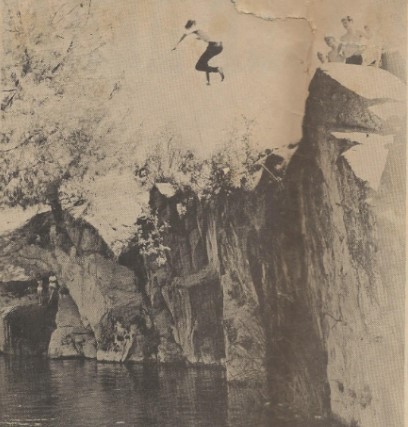
The Quarry Rats: Memories of Rocklin’s Old Swimming Holes
Doug Osella recalled Rocklin’s quarry swimming holes, the nicknames children gave them, and a summer landscape that has since changed.
Spring 2019 · 2 min read
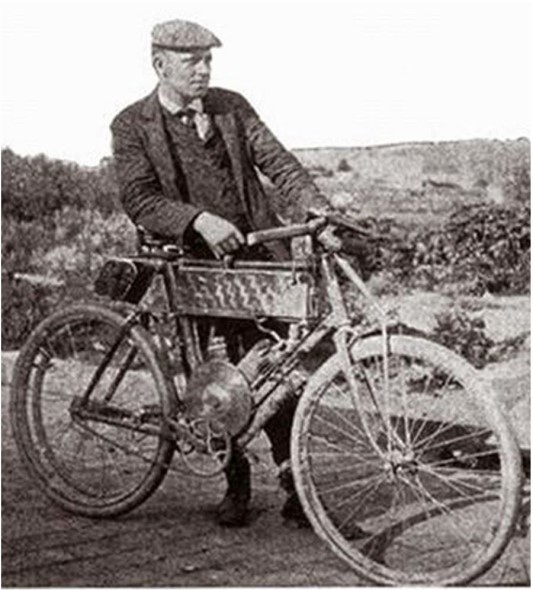
George Wyman’s Motor Bicycle Journey Through Rocklin
George Wyman’s 1903 journey passed through Rocklin before he dragged his motor bicycle through the Sierra snowsheds.
April 2020 · 2 min read