
Historic Places · From the Fall 2015 archive
Finding J. P. Whitney’s Twelve Granite Bridges
A bridge hidden by vegetation helped complete a long search across the former Spring Valley Ranch.
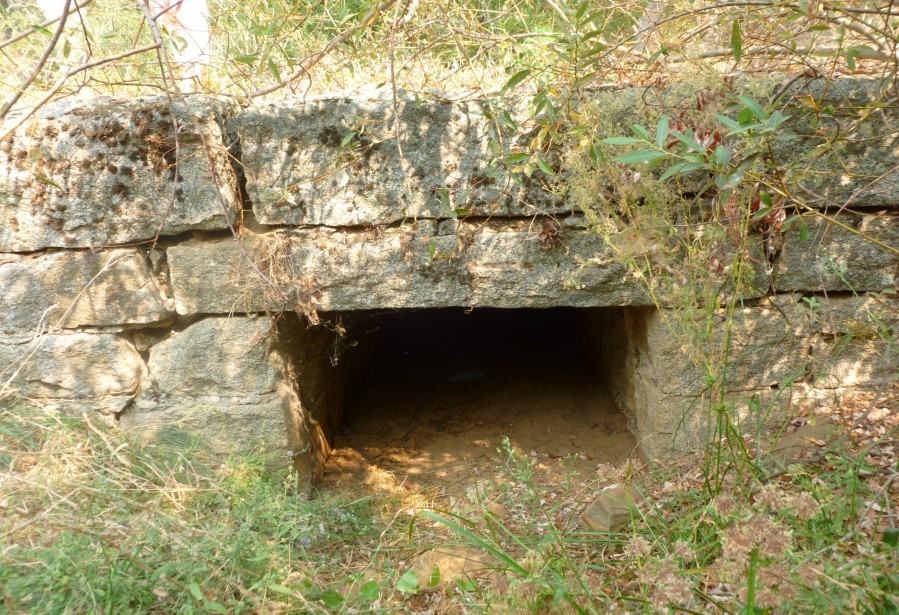
The name Twelve Bridges survived long after the roads of J. P. Whitney’s Spring Valley Ranch were absorbed into newer landscapes. Locating all twelve structures took more work than following a modern street sign.
Gary Day’s revised Fall 2015 article celebrated the identification of a likely twelfth bridge at Catta Verdera Golf Course in Lincoln. Previously obscured by vegetation, it helped complete a picture assembled from surviving stonework, old roads, and ranch records.
Bridges for a growing estate
Whitney’s records showed spending on stone bridges between 1883 and 1888, during the development of his family estate and the Oaks mansion. A later Citrus Colony map offered clues to road alignments and creek crossings, though Whitney had left no dedicated bridge-location map.
Day described nine bridges in Rocklin and three in Lincoln. They survived in parks, golf-course landscapes, and less visible corners of the former ranch. Clover Valley Park held the best-known example. One bridge had been dismantled and rebuilt in Mansion Oaks Park; others were partly buried or difficult to see.
What the stones could—and could not—prove
The article emphasized careful stone cutting and evidence of local quarry connections. It did not establish who performed every part of the construction.
This is a record of the 2015 investigation, not a current access guide. Some locations are private or on golf courses. The story invites readers to notice surviving infrastructure while respecting the uncertainty and access limits that come with it.
There’s more to discover
Keep reading.
From the same newsletter
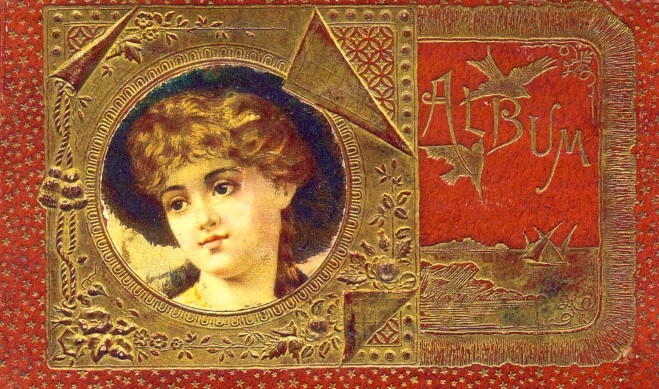
Two Schoolgirls’ Autograph Albums Preserve an Earlier Rocklin
Autograph albums belonging to Lottie Waddell and Myrtle Ryan preserve personal messages from Rocklin school life more than a century ago.
Fall 2015 · 2 min read
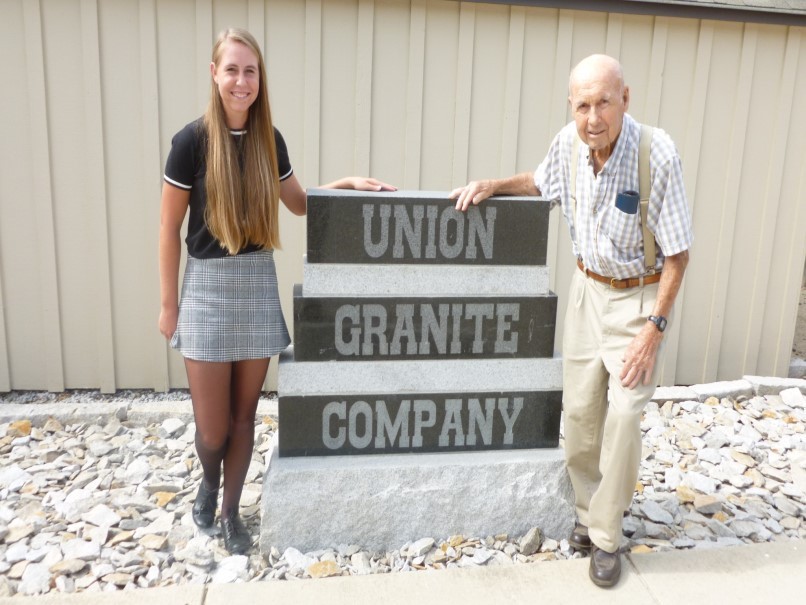
Seventeen and Ninety-Six: Two Generations Welcome Museum Visitors
A 2015 photograph paired seventeen-year-old docent Emmalie Hopping with ninety-six-year-old Roy Ruhkala at the Rocklin History Museum.
Fall 2015 · 2 min read
More Historic Places
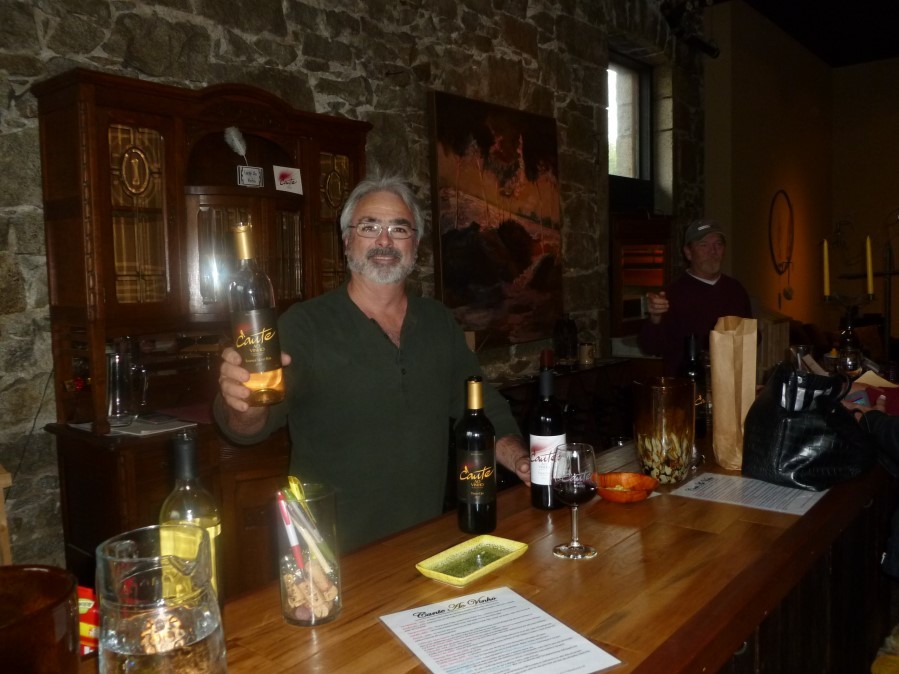
Cante Ao Vinho: A New Chapter for the Barudoni Building
The 2014 opening of Cante Ao Vinho brought family winemaking and a new gathering place to Rocklin’s historic Barudoni building.
Spring 2014 · 2 min read
Rosy’s: The Rocklin Restaurant with a 49er Room
Gene Johnson remembered Rosy’s, Randy and Lisa Peters’ Pacific Street restaurant and a gathering place during Rocklin’s 49ers summers.
Summer 2017 · 2 min read
Father Dillon Remembers the Last Years of Worship at Old St. Mary’s
Father Dillon’s memories of Old St. Mary’s recall the congregation’s growth and its move to a larger church in 1983.
Winter 2013 · 2 min read