
Railroads & Quarries · From the Fall 2011 archive
How Rocklin Granite Traveled Beyond the Quarry
Rail connections carried local stone into public buildings, city streets, and some of California’s most recognizable landmarks.
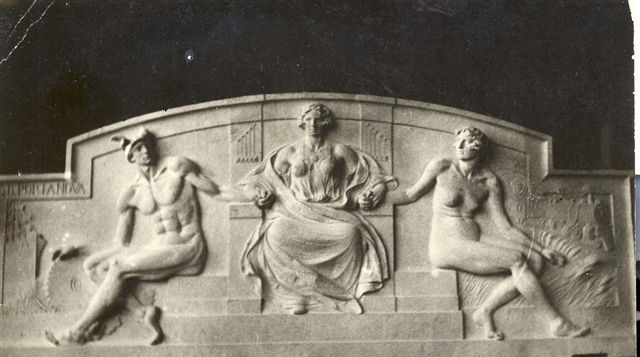
Rocklin’s granite history reaches well beyond its quarry pits. Stone cut here traveled into courthouses, hotels, railroad works, and the streets of San Francisco.
In his Fall 2011 overview, Gary Day connected that reach to the railroad. Easy access to shipping helped make quarrying and finished stone products central to the local economy from the 1860s into the early twentieth century.
Stone with a destination
Early work supplied railroad culverts, tunnel materials, and riprap for drainage beneath the tracks. Later projects included California’s State Capitol, San Francisco’s Palace Hotel, and courthouses in Auburn, Reno, and Sacramento.
Day also pointed to granite curbing used during San Francisco’s recovery after the 1906 earthquake. The carved figures illustrated with his article provide another example: Capitol Quarry stone shaped for the former Bank of Italy building in 1919–1920.
A changing industry
Public construction, better machinery, and immigrant quarry workers all affected the industry’s fortunes. Concrete competition and labor conflict contributed to its decline after its nineteenth-century peak.
The surviving pits tell only part of that story. The finished stone, still visible far from Rocklin, shows where the quarry workers’ skill went.
There’s more to discover
Keep reading.
From the same newsletter

Barbara Chapman Built the Museum’s Docent Team
Barbara Chapman organized training, schedules, and field trips for Rocklin History Museum’s docents, drawing on years of volunteer experience.
Fall 2011 · 2 min read
More Railroads & Quarries
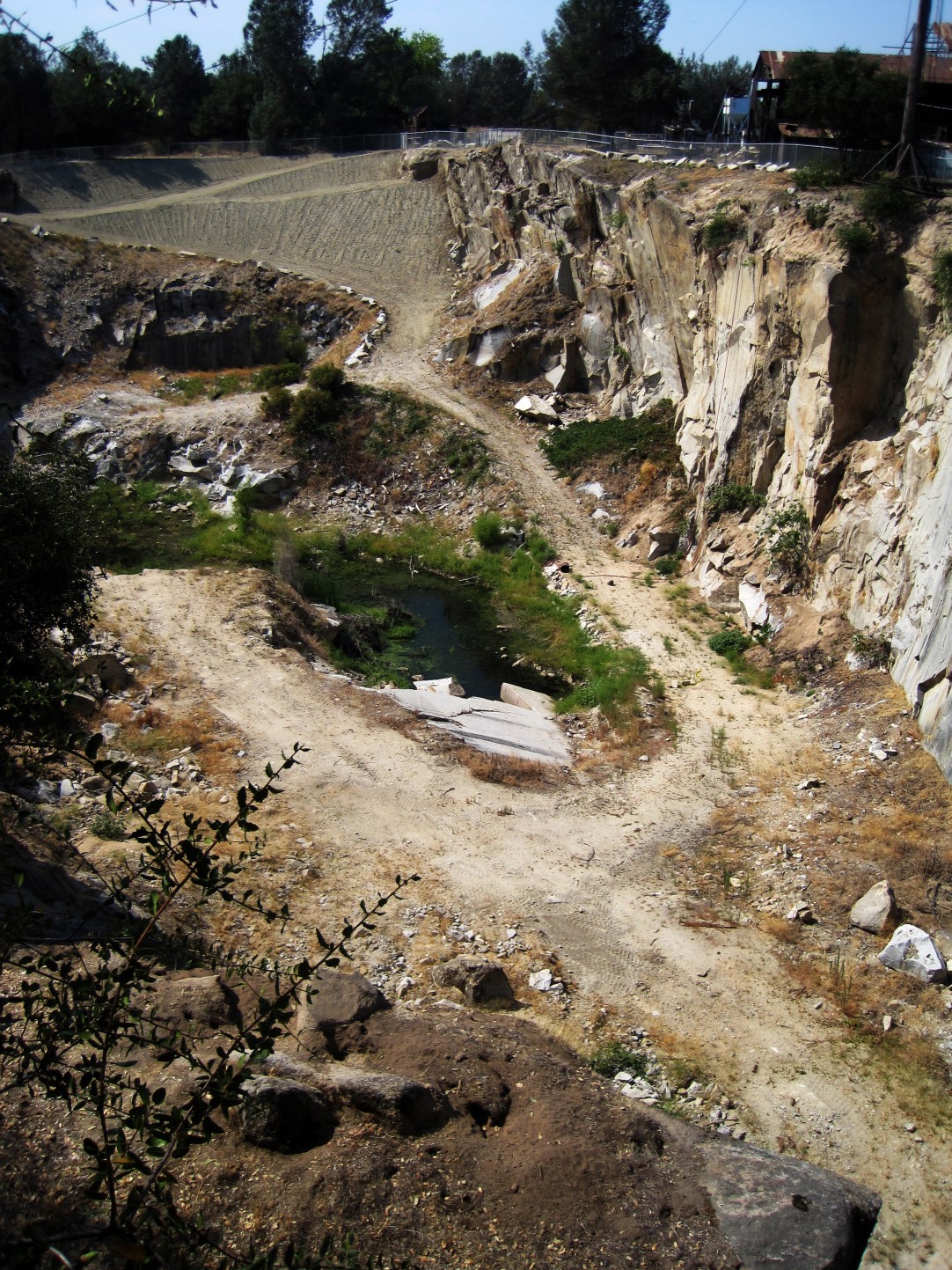
Roy Ruhkala Remembered the Work Inside Big Gun Quarry
Roy Ruhkala’s recollections connect Big Gun Quarry’s working machinery with his long effort to save Rocklin’s photographs and artifacts.
Winter 2012 · 2 min read
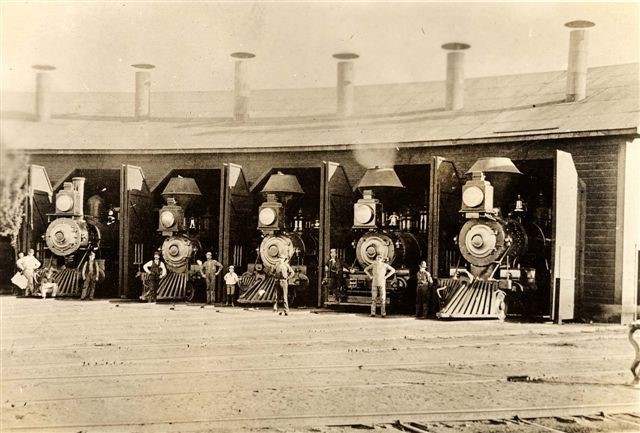
Why Rocklin’s Roundhouse Moved to Roseville
Gary Day’s account traces the Rocklin roundhouse from its 1867 opening to the transfer of railroad operations to Roseville in 1908.
Winter 2013 · 2 min read
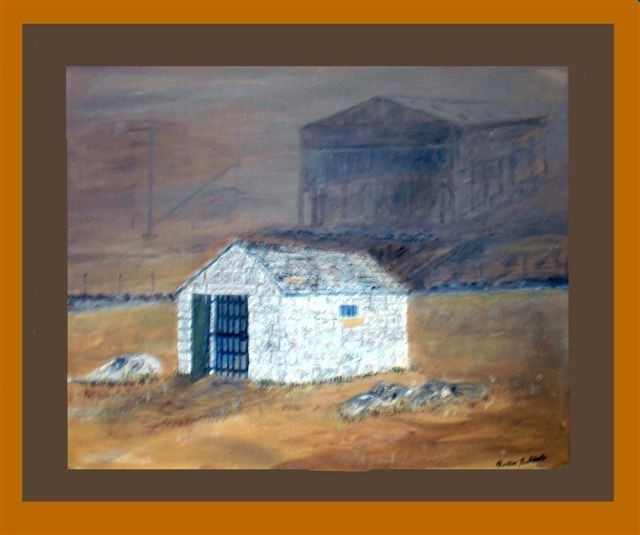
Rocklin’s Little Granite Jail and the Travelers Who Slept There
Ruben Ruhkala’s recollections preserve the story of Rocklin’s small granite jail and the railroad travelers it sheltered.
Winter 2008 · 2 min read