
Preservation Projects · From the February 2026 archive
Johnson Farm: A Living Museum Takes Shape in Rocklin
A proposal for the Fifth Street property connects a surviving farmhouse with Rocklin’s dairy, ranching, and earlier history.
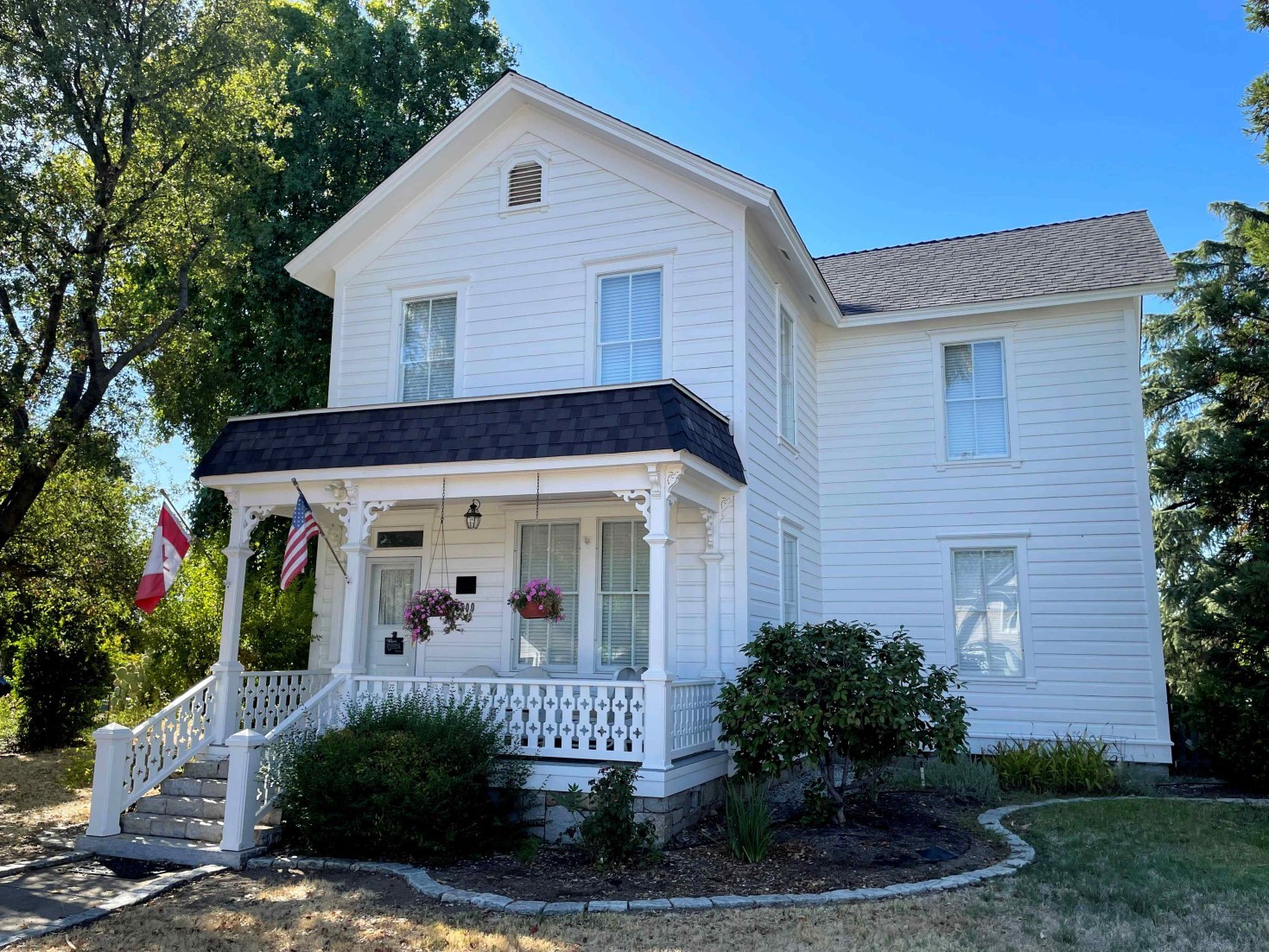
A white farmhouse on Fifth Street holds a much larger story than its walls suggest. In February 2026, the Rocklin Historical Society described a partnership with Gene Johnson to preserve the property as a living farm museum.
The proposal envisioned a place where students and visitors could learn about agriculture, ranching, and the land’s deeper history. It remained a project in development, with legal work, feasibility studies, and permits still ahead.
From the Huff farmhouse to Spring View Dairy
William Huff built the farmhouse in 1886. A.O. Wickman acquired the property from Huff’s estate in 1919. Alongside operating the dairy, Wickman worked in Rocklin’s granite industry and served on the city council.
In 1936, his daughter Florence and son-in-law Ray Johnson took over the dairy. Spring View Dairy delivered products throughout Rocklin and Loomis. Florence served on the school board, while Ray served as a council member and mayor.
The land also preserves connections predating the farmhouse. The newsletter describes seasonal Nisenan use of the area west of the house, including grinding rocks and fresh water at Huff’s Spring.
Preservation with room for community life
Gene and Margaret Johnson settled on the property in 1999, restored the house, and maintained the acreage. They later arranged for its preservation. Following meetings with Gene, the Society’s board approved a three-phase proposal in December 2025.
Ideas included farm equipment displays, school field trips, children’s programs, and spaces for community gatherings. Gardens and agricultural arts programs were among the possibilities. The next steps described in the issue were establishing ownership, commissioning a feasibility study, and preparing plans for the required approvals.
The aim was to preserve a working connection to Rocklin’s agrarian roots. This article records that early plan, rather than announcing a completed or open museum.
There’s more to discover
Keep reading.
From the same newsletter
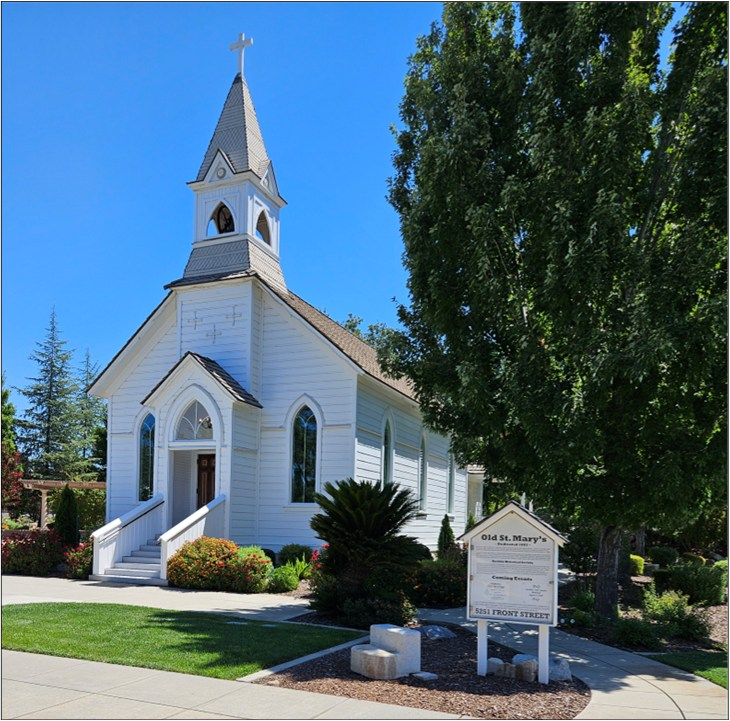
A Year of Weddings, Schoolchildren, and Community at Old St. Mary’s
Nancy Lohse’s look back at 2025 shows how Old St. Mary’s Chapel serves Rocklin through celebrations, education, and community gatherings.
February 2026 · 2 min read
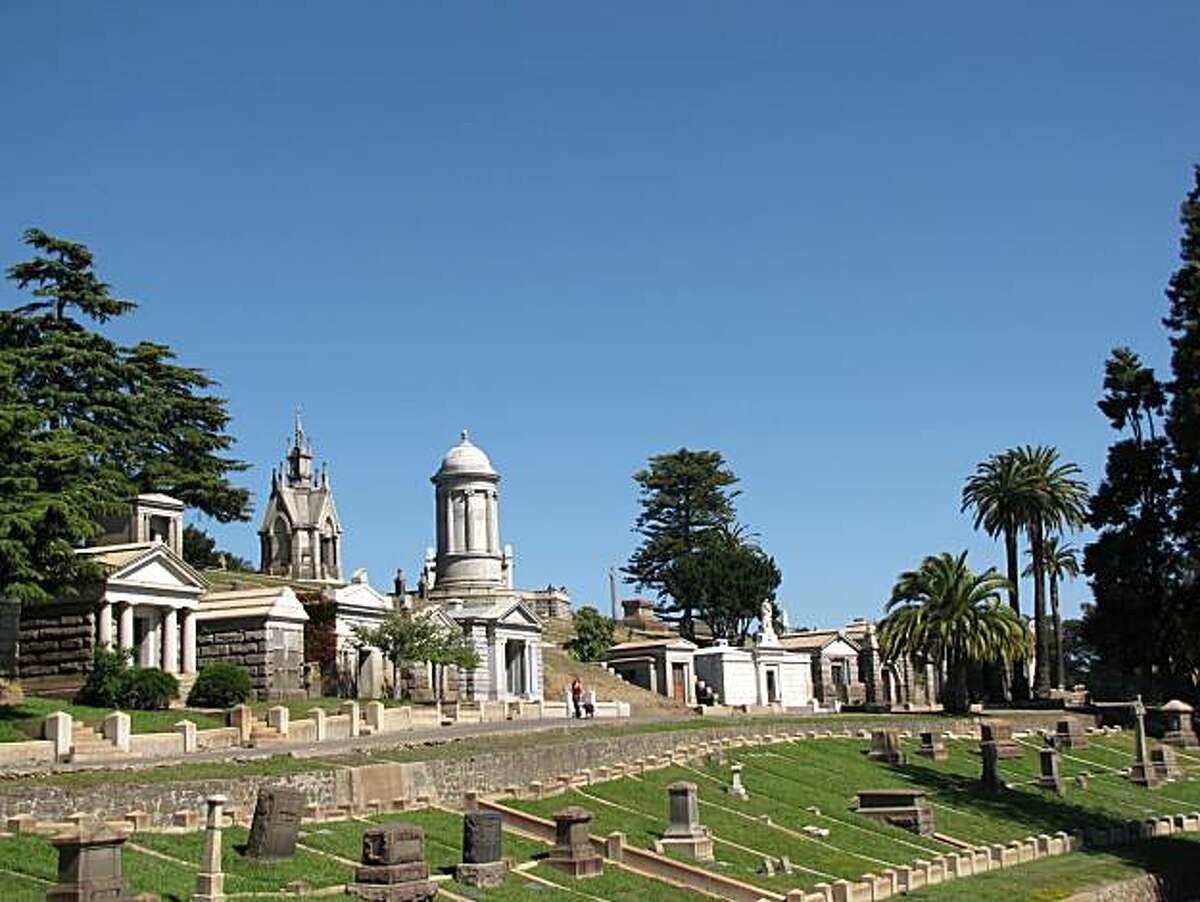
Rocklin Granite on Oakland’s Millionaire’s Row
The Charles Crocker monument in Oakland connects a celebrated architect and railroad family with skilled granite workers in Rocklin.
February 2026 · 2 min read
More Preservation Projects
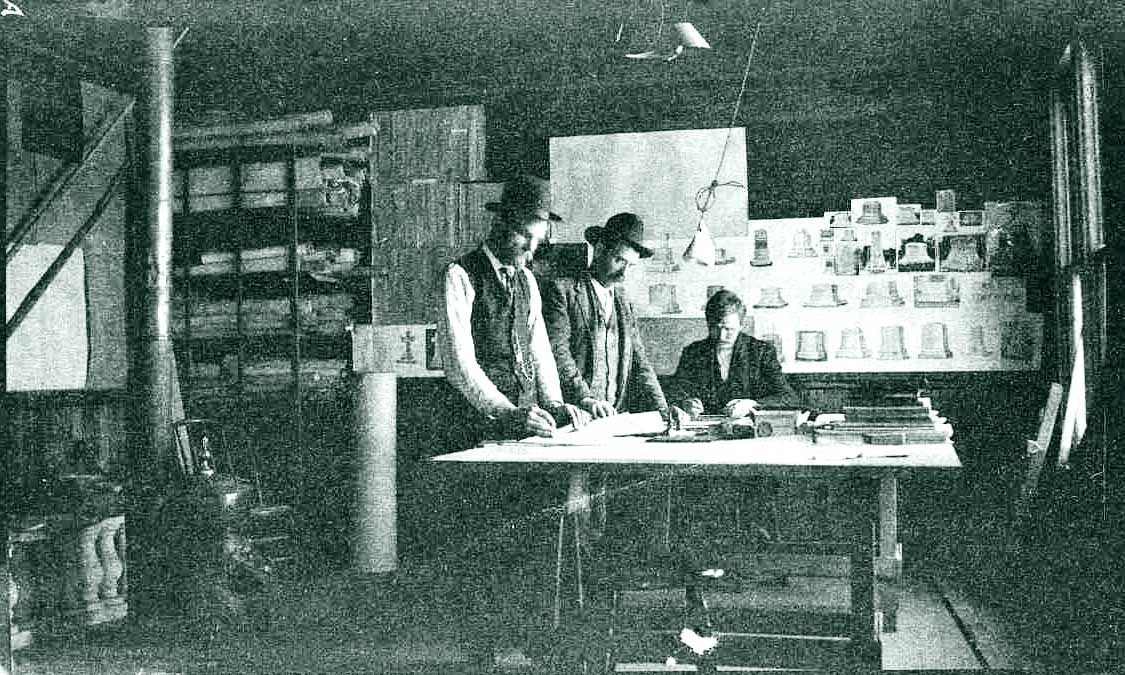
A New Future for Rocklin’s Historic Quarry Office
The November 2025 newsletter records the first approved phase of Rocklin’s historic Quarry Office preservation project.
November 2025 · 2 min read
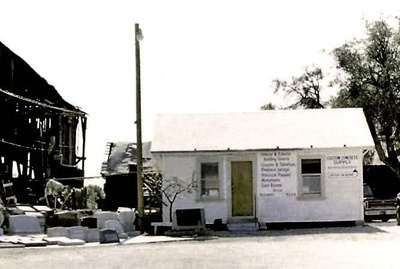
The Little Quarry Office Rocklin’s Third Graders Are Helping Save
Rocklin’s 2026–2027 third-grade coin drive supported preservation of a small building with a long history in the granite industry.
Fall 2026 · 3 min read
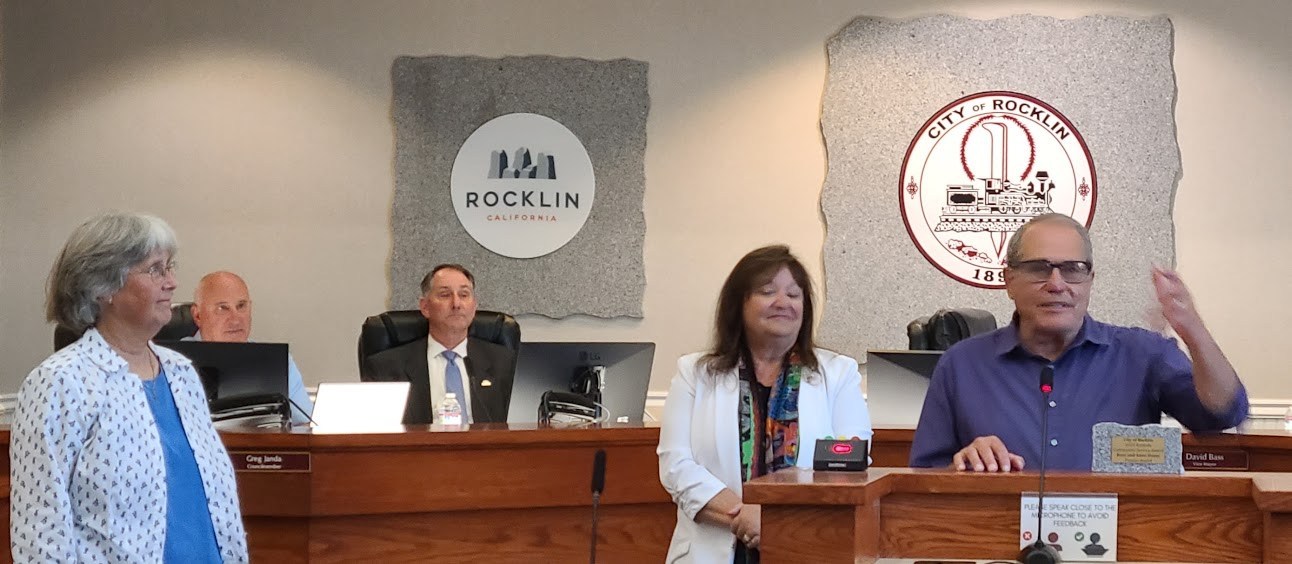
Kent and Anne Dazey Honored for Protecting Historic Downtown Rocklin
The May 2025 newsletter honored Kent and Anne Dazey’s role in a neighborhood effort to protect Rocklin’s historic downtown.
May 2025 · 2 min read