
Rocklin History · From the Fall 2012 archive
The 1877 Expulsion of Rocklin’s Chinese Community
The Society’s Fall 2012 history examined a violent episode that displaced an entire community.
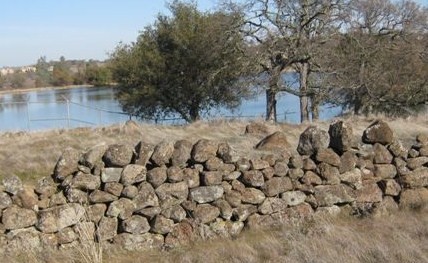
On September 16, 1877, Rocklin’s Chinese residents were forced to leave under threat of violence. A mob then destroyed their neighborhood near the railroad roundhouse.
Professor Daniel DeFoe’s Fall 2012 article placed the expulsion in the aftermath of killings at the Sargent Ranch in Secret Ravine. Suspicion fell on Chinese men, but the broader community was punished before responsibility for the crime had been established.
Accusation became collective punishment
DeFoe described arrests, threats of lynching, and the transfer of prisoners to Auburn for protection. Meanwhile, families carried away what they could before the deadline imposed on them.
Buildings were torn apart and fire destroyed the neighborhood. The article emphasized that the investigation did not justify the mob’s treatment of an entire population.
Remembering an uncomfortable history
DeFoe connected Rocklin’s expulsion with anti-Chinese campaigns elsewhere in the region. He identified Jean Pfaelzer’s Driven Out among the sources informing his account.
This history belongs alongside the railroad and quarry achievements often celebrated in the same landscape. Chinese residents had contributed to that economy; their forced displacement must also be part of how the town remembers its past.
The full newsletter preserves DeFoe’s longer discussion and its historical context.
There’s more to discover
Keep reading.
From the same newsletter
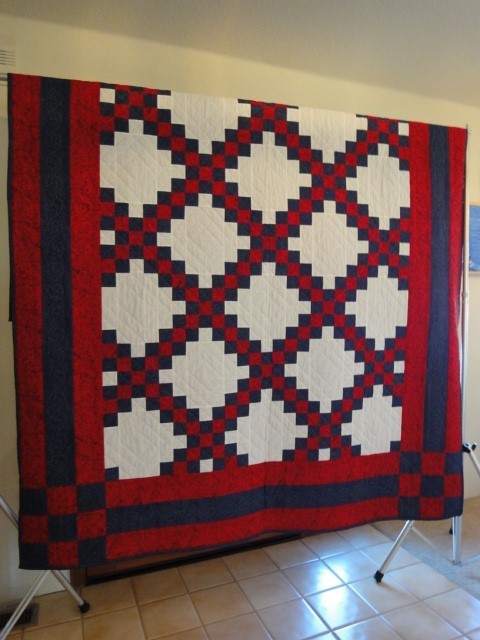
One Quilt Supported More Than One Community
A quilt begun by Rosalie Squibb and finished by Pat Wallila became a gift supporting Rocklin’s proposed firehouse replica.
Fall 2012 · 2 min read
More Rocklin History
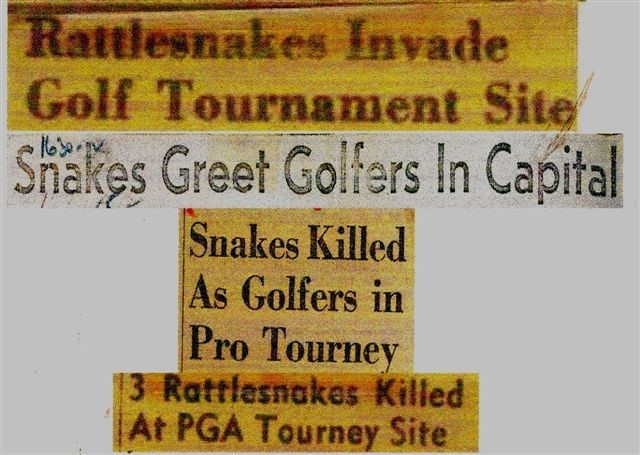
Rattlesnakes Made Headlines at Rocklin’s PGA Tournament
Rocklin’s 1964 Sunset Camellia Open faced missing stars, World Series competition, and unexpected rattlesnake headlines.
Winter 2011 · 2 min read
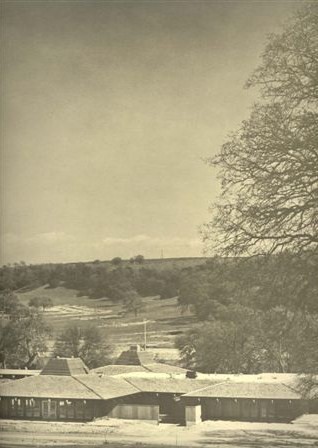
Paul Harney Brought Championship Golf to Sunset Oaks
Paul Harney became Sunset Oaks’ head professional in 1963 and helped bring national golf attention to the growing Rocklin area.
Summer 2011 · 2 min read
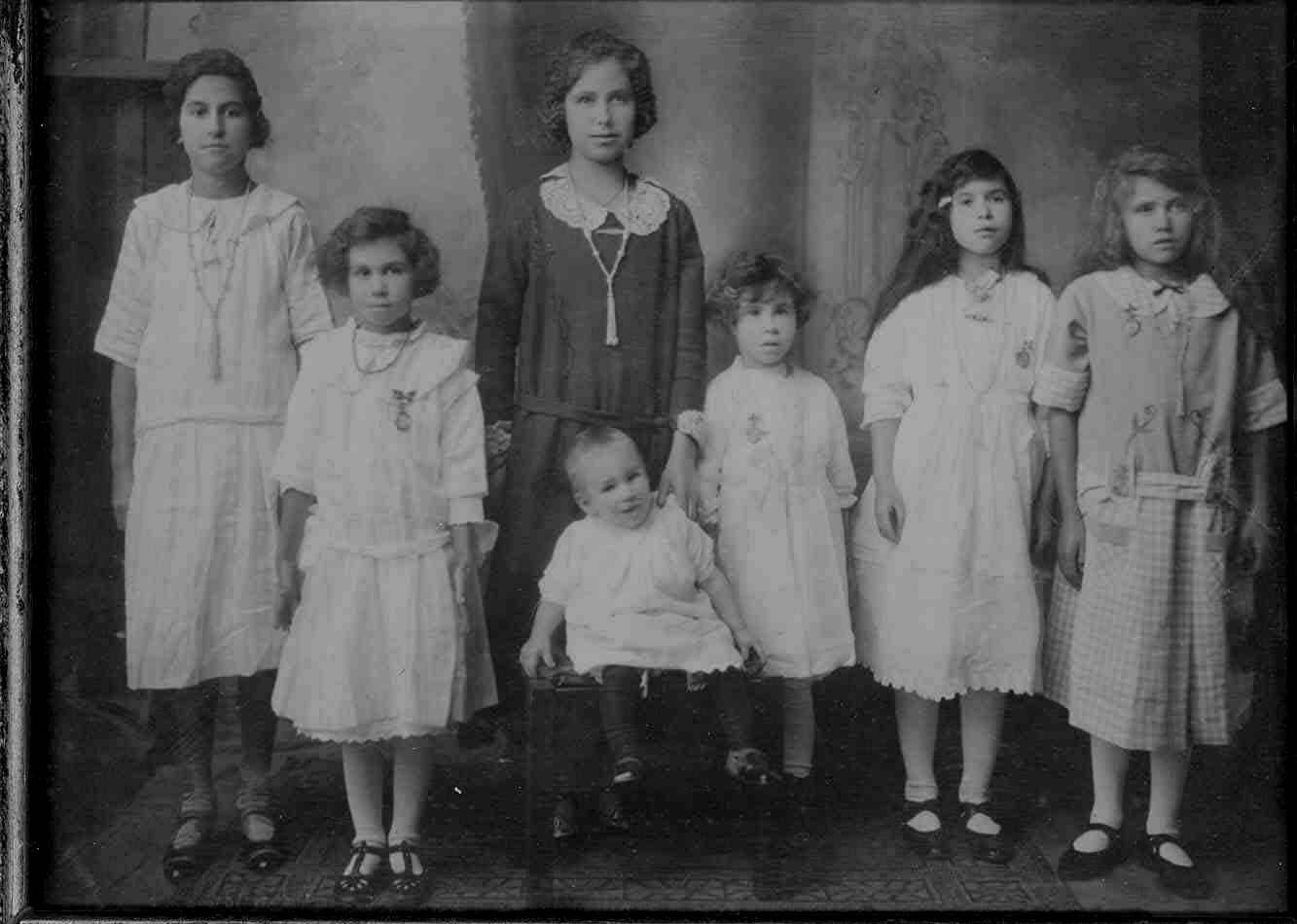
Barbara Corral Remembered a Rocklin Childhood in Two Languages
Barbara Corral’s childhood memories preserve the everyday life of a Spanish immigrant family in early Rocklin.
Spring 2010 · 2 min read