
Historic Places · From the Spring 2012 archive
The 1914 Fire That Changed Front Street
A devastating fire followed the loss of the railroad roundhouse and changed the shape of Rocklin’s business district.
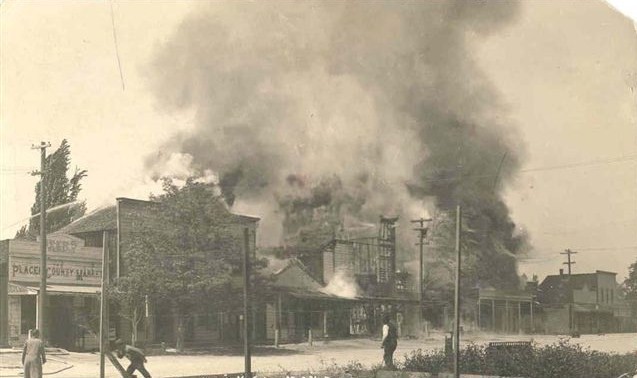
The photograph captures a business district disappearing in smoke. In 1914, a wind-driven fire tore through Front Street, destroying buildings that had formed the center of Rocklin’s commercial life.
Professor Daniel DeFoe revisited that year in an address reproduced in the Spring 2012 newsletter. He placed the fire within a longer run of setbacks, beginning with Southern Pacific’s transfer of its roundhouse operations to Roseville between 1906 and 1908.
A town already under pressure
The roundhouse had serviced more than a thousand engines a month. Its departure removed a major reason for people and businesses to remain in Rocklin. A 1909 fire on Railroad Avenue brought another blow.
DeFoe described the 1914 Front Street fire spreading from a livery stable stocked with hay. Wind carried flames through the wooden businesses. Firefighters arriving from Roseville helped protect other parts of town, but could not save the burning district.
What remained
The granite Barudoni building survived at the edge of the destruction. The businesses lost in the fire were not rebuilt, leaving a lasting change in the town center.
Quarry closures added to Rocklin’s difficulties the following year. Yet a 1922 proposal to disincorporate the city failed. DeFoe’s account ends with that persistence: residents kept their town through decades when recovery was far from assured.
There’s more to discover
Keep reading.
From the same newsletter
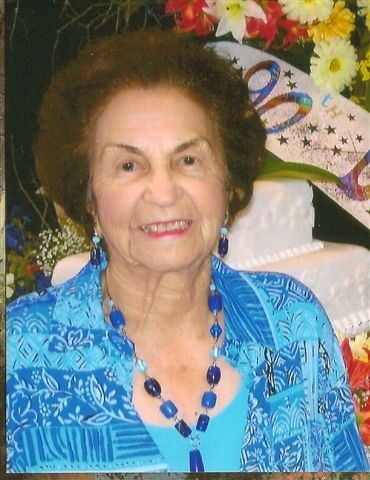
Remembering Barbara Alva Corral’s Everyday Generosity
Friends remembered Barbara Alva Corral as a gardener, family historian, photographer, and generous presence in Rocklin’s historical community.
Spring 2012 · 2 min read
More Historic Places
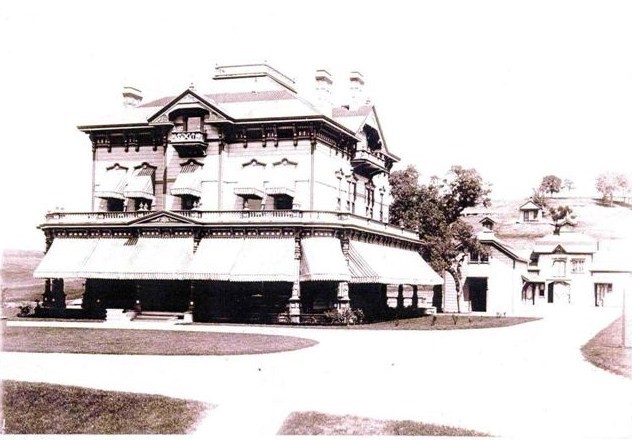
A Child’s Summer Inside Whitney’s Mansion
Tamilyn Engel remembered living at The Oaks in 1950, giving researchers a personal view inside Joel Parker Whitney’s vanished mansion.
July 2013 · 2 min read
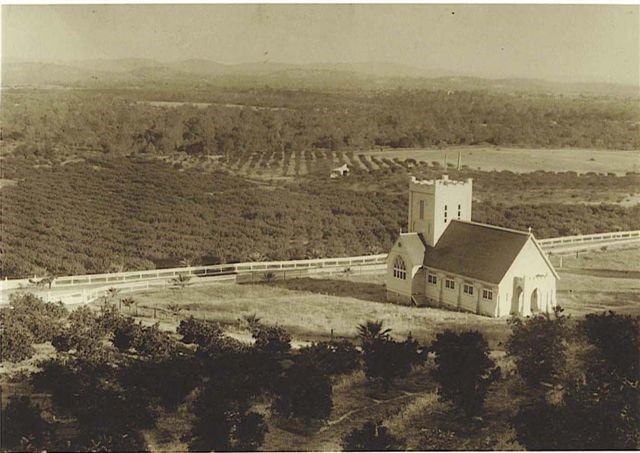
The Citrus Colony’s English Dream in Placer County
The Placer County Citrus Colony combined orchard investment with English social life before economic and health pressures brought it to an end.
Fall 2010 · 2 min read
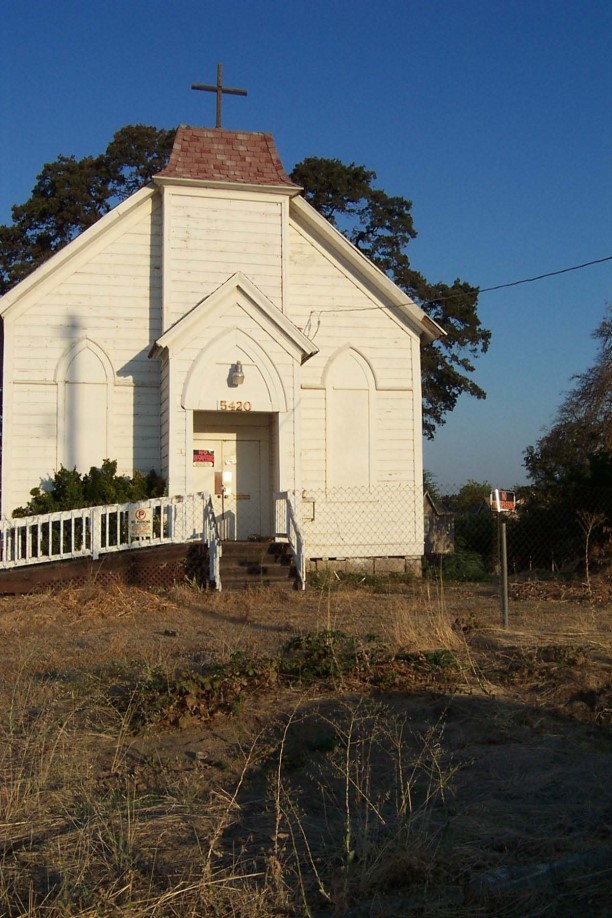
Father Dillon Remembers the Last Years of Worship at Old St. Mary’s
Father Dillon’s memories of Old St. Mary’s recall the congregation’s growth and its move to a larger church in 1983.
Winter 2013 · 2 min read