
Museum & Collections · From the Fall 2026 archive
A New Look for the Rocklin History Museum
A gift from the Roseville Telephone Museum brought beautiful display cases—and a new way to tell Rocklin’s stories—to the museum.
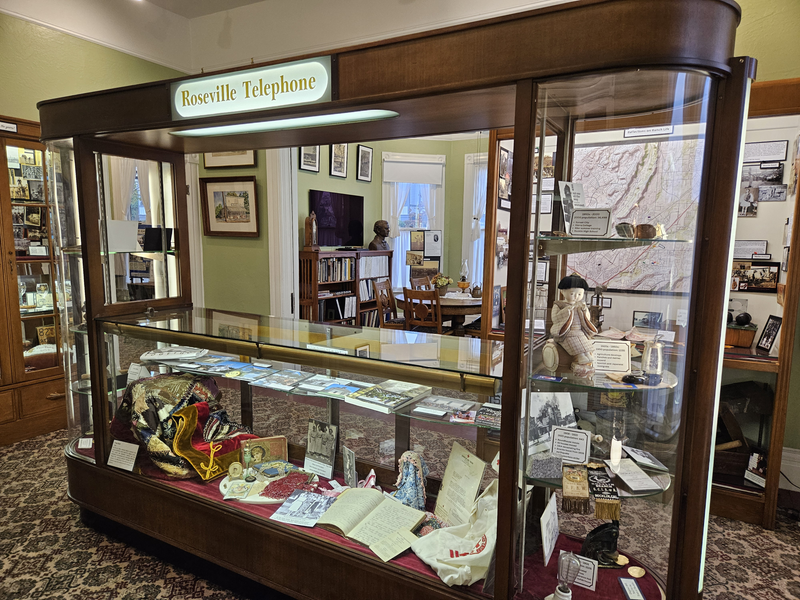
In the summer of 2026, sleek wooden display cabinets arrived at the Rocklin History Museum. Their arrival gave volunteers an opportunity to do more than rearrange objects. They could refresh familiar exhibits, bring additional material out for visitors, and tell some parts of the community’s history in greater depth.
The gift came with mixed emotions. The Roseville Telephone Museum, which had preserved the history of telephone technology since 1989, closed permanently in June. Its display cases, antique telephones, and other memorabilia found a new purpose in Rocklin.
A neighboring museum’s history lives on
The Roseville Telephone Company had served Rocklin residents for years. A new exhibit recognized that connection, bringing the company’s story together with antique phones and equipment. One of the donated cabinets, made in the Art Deco style, housed a collection of telephones from the former museum.
The original museum had occupied 4,500 square feet in downtown Roseville. In her Fall 2026 message, Society president Gloria Beverage expressed both sadness at its loss and gratitude that some of its objects could continue to be shared.
More room for Rocklin’s own stories
The new cases also supported changes throughout the museum. Displays about local ranches and dairies were expanded, and the timeline of Rocklin’s history was updated. The sports exhibit grew to include more memorabilia from the summers when the San Francisco 49ers trained in Rocklin, alongside other recreational history.
A separate display highlighted the Historical Society’s preservation work: restoring Old St. Mary’s Chapel, building the replica firehouse on Front Street, and creating the Secret Garden at the library. The Native American display was being refreshed as well.
Some ideas remained works in progress. The newsletter described an interactive map of historic ranches as a future addition. Together, the completed displays and continuing projects showed how a museum can keep finding new ways to make familiar history worth another visit.
There’s more to discover
Keep reading.
From the same newsletter
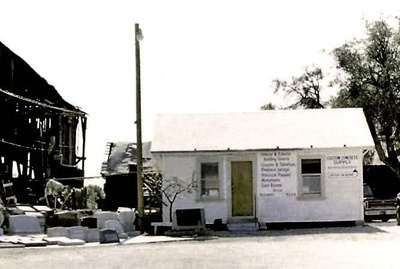
The Little Quarry Office Rocklin’s Third Graders Are Helping Save
Rocklin’s 2026–2027 third-grade coin drive supported preservation of a small building with a long history in the granite industry.
Fall 2026 · 3 min read
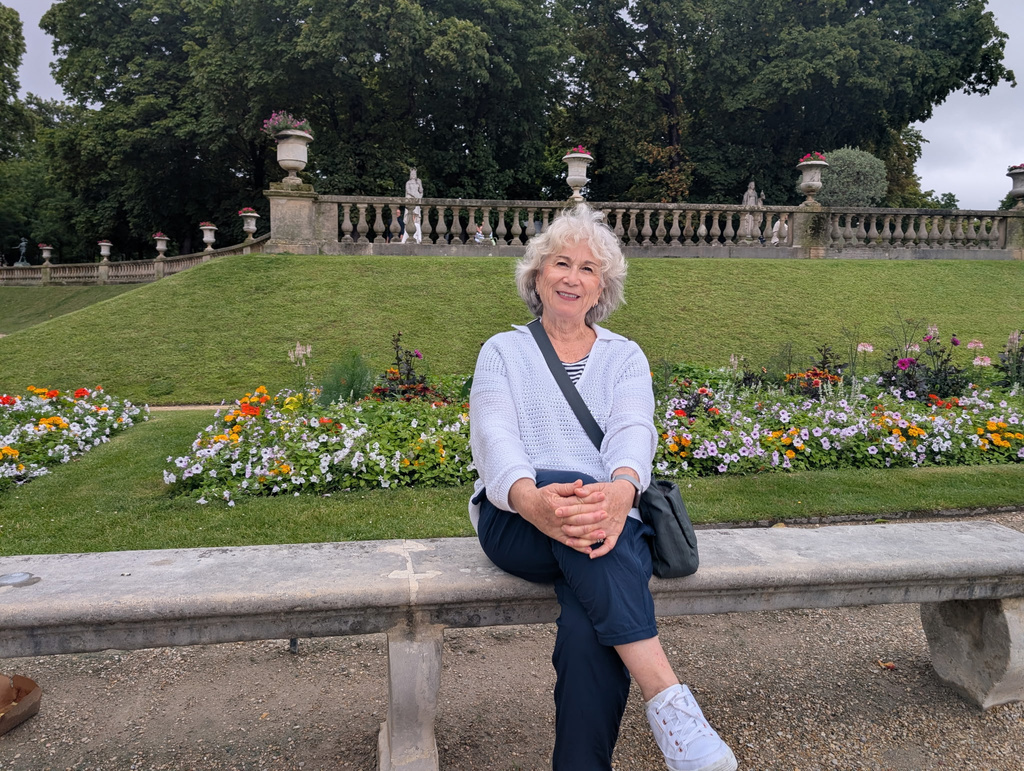
Shirley Espley: Keeping the Historical Society’s Memories
Meet Shirley Espley, the Rocklin native, docent, and family historian who preserves the Society’s own memories.
Fall 2026 · 3 min read
More Museum & Collections
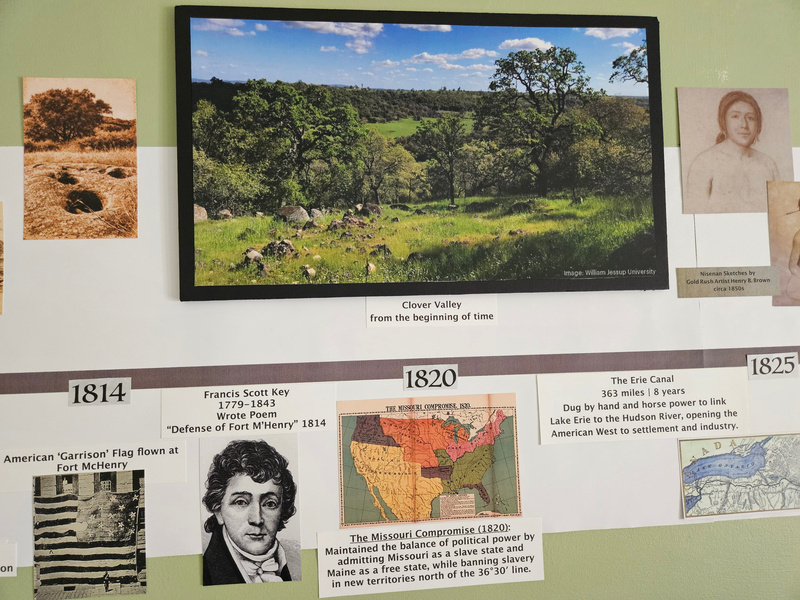
Rocklin 250: A National Anniversary with a Local Point of View
The Rocklin 250 exhibit connects the nation’s founding with local landscapes, wildlife, migration, and the community’s own timeline.
Summer 2026 · 2 min read
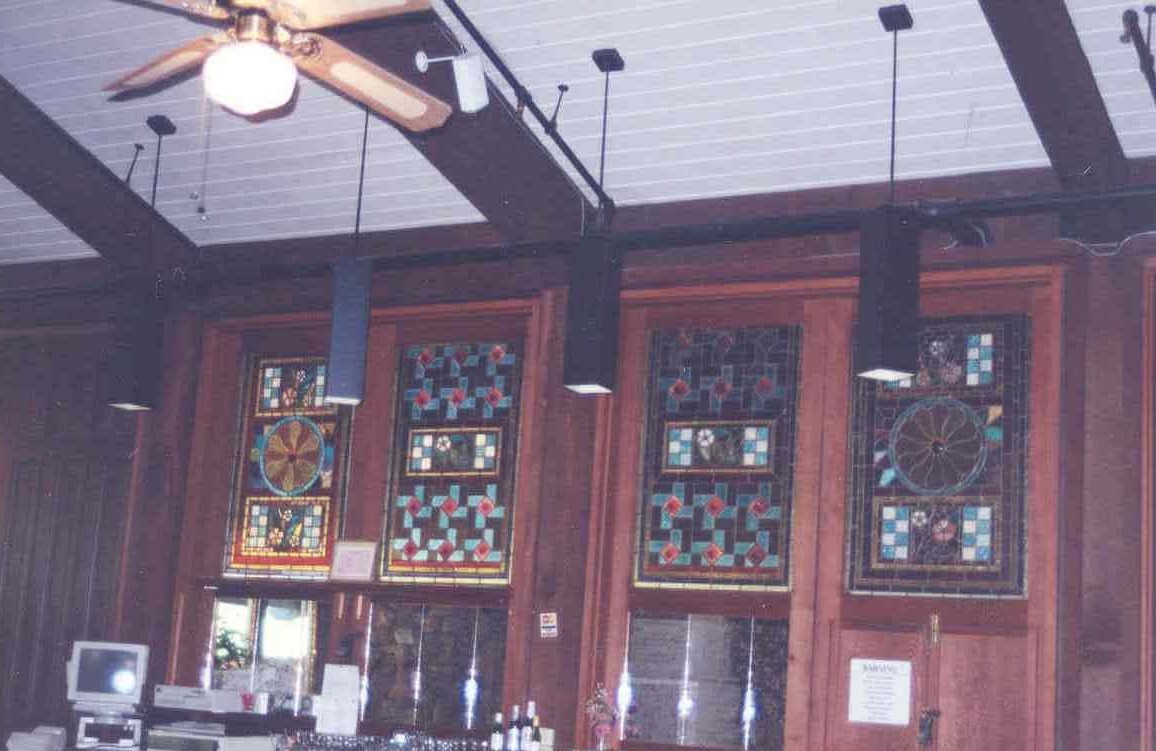
Saving the Whitney Mansion’s Stained Glass
How Gene Johnson, David Baker, and museum volunteers saved stained-glass panels from the Whitney mansion and prepared them for display in 2024.
Spring 2024 · 3 min read
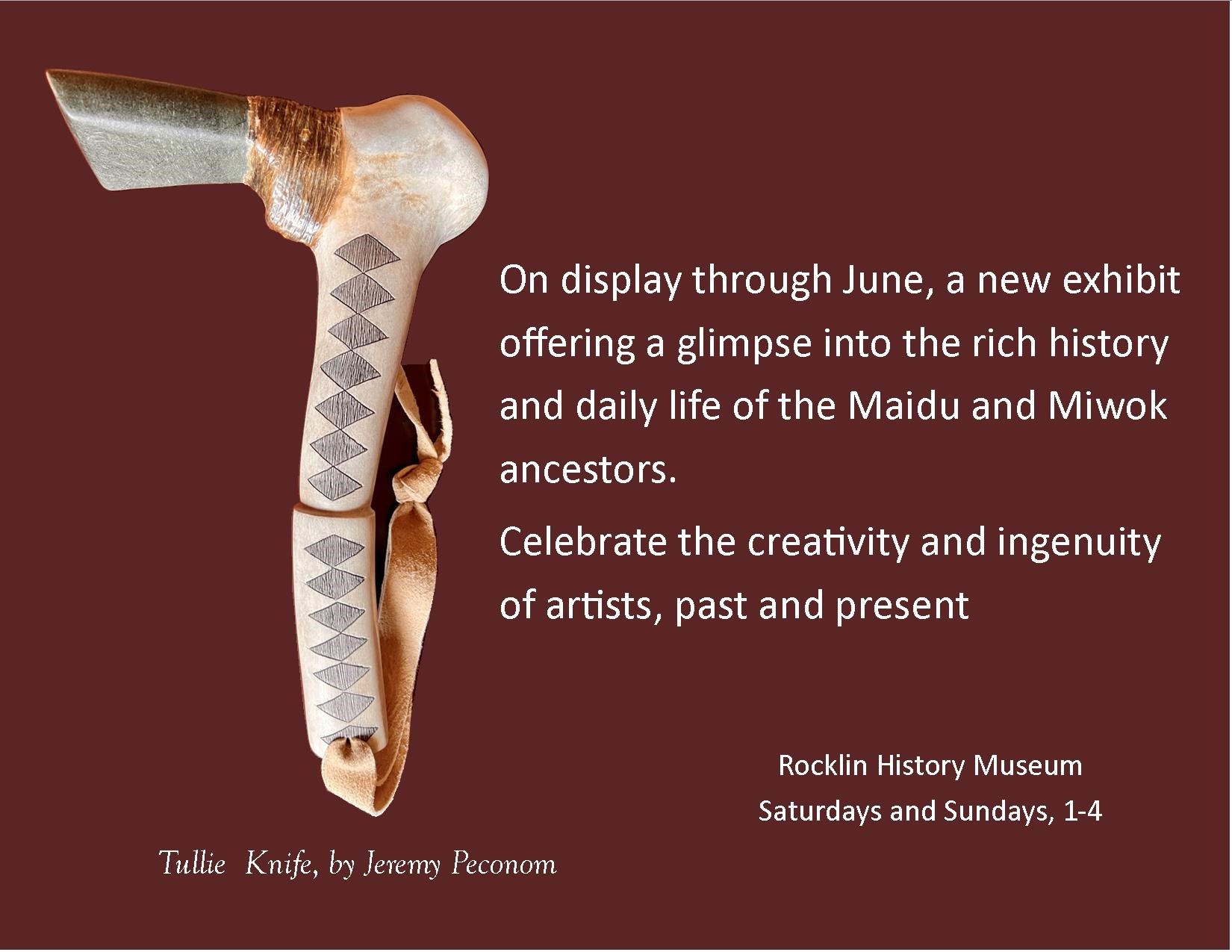
Miwok and Maidu Art Brought Living Traditions to the Museum
The museum’s Spring 2023 Miwok and Maidu exhibit presented contemporary art and new interpretations of traditional tools.
Spring 2023 · 2 min read