
Museum & Collections · From the Spring 2024 archive
Saving the Whitney Mansion’s Stained Glass
Rescued from a vacant country club, four stained-glass panels offered a rare surviving connection to J. Parker and Lucy Whitney’s home, The Oaks.
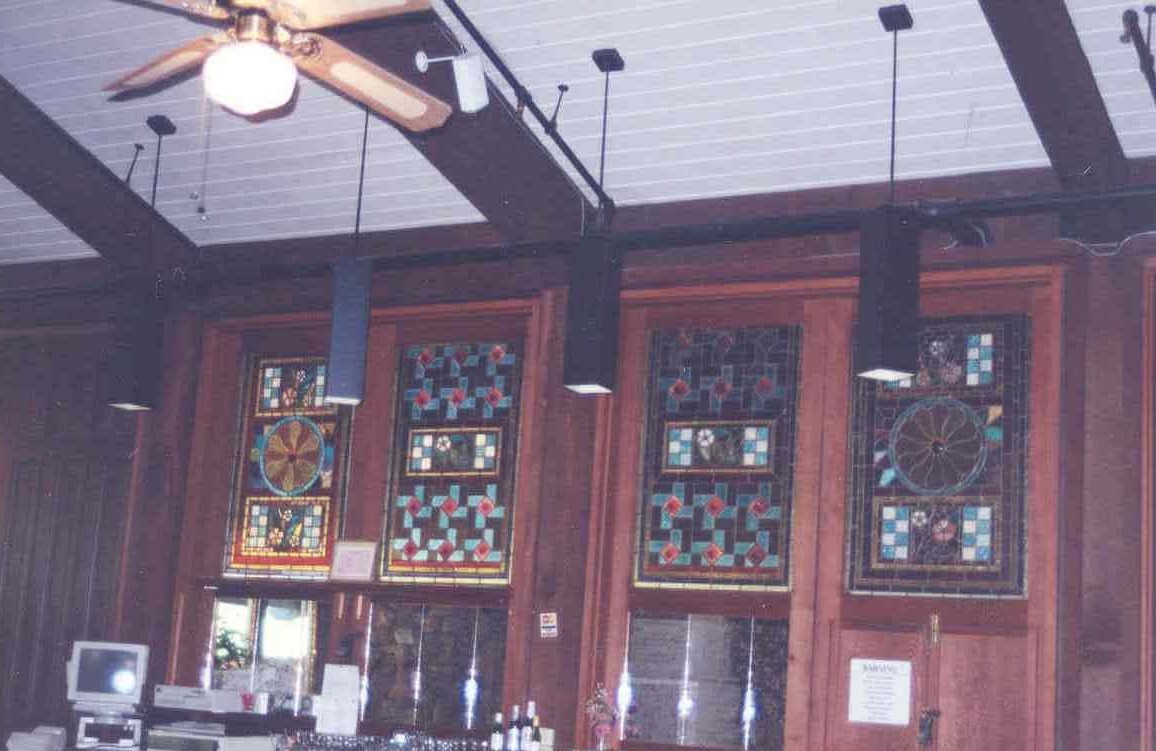
By 2017, the former Sunset Whitney Country Club building was empty and vulnerable to vandalism. Inside were stained-glass panels with a much older history: they had once been part of interior doors at J. Parker and Lucy Whitney’s mansion, The Oaks.
After Carol Ellis raised concerns about the damage, Gene Johnson and David Baker investigated and arranged to purchase four panels for preservation. Linda Wampler’s Spring 2024 newsletter article followed the next stage of their journey—from storage toward a place in the History Museum.
From mansion doors to a country club bar
The doors had been dismantled, and the decorative panels were reused as a backdrop for the country club’s bar. When the golf course closed in 2015, the building stood vacant. Saving the glass meant preserving some of the few objects in the museum’s collection that came from the Whitney home.
For several years, the panels remained in Johnson’s garage. The 2024 plan was to install two in the museum’s parlor, known as the Whitney room, with lighting behind them so visitors could appreciate the colors without relying on daylight.
Careful work before the display
The panels were in surprisingly good condition for their age, but they needed a thorough cleaning. Volunteers cleaned the glass; the frames were primed and painted, then left to cure before the lighting and installation work.
Wampler placed their decorative character in the context of the Aesthetic Movement, which valued beauty in art and design. The surviving glass offered a tangible connection to the Whitneys’ tastes as well as to their home.
At the time of this article, installation was still being prepared. The photographs preserve the rescue and restoration effort itself: the patient cleaning, painting, and planning that allow a fragile piece of local history to become something the public can enjoy.
There’s more to discover
Keep reading.
From the same newsletter
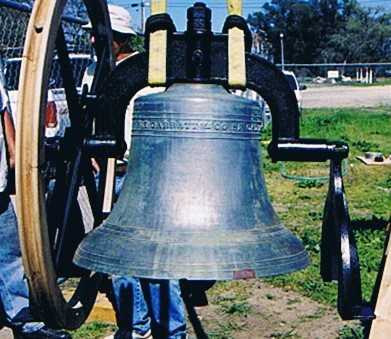
Old St. Mary’s Bell and Its Unexpected Connection to the Abolition Movement
Doug Osella traced Old St. Mary’s bell to Rocklin’s First Congregational Church in 1885 and a minister’s connection to the anti-slavery movement.
Spring 2024 · 2 min read
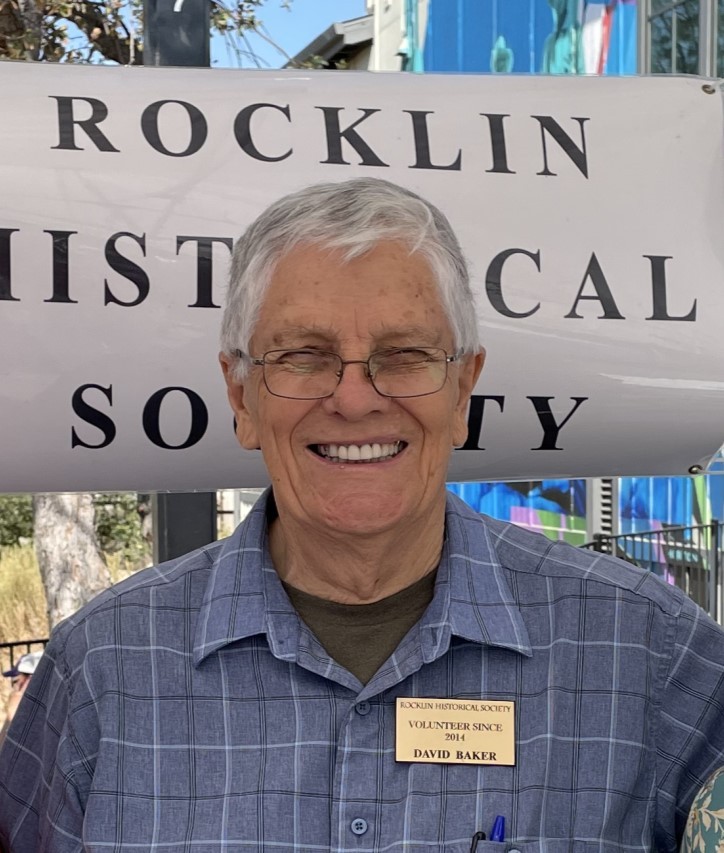
David Baker’s Pioneer Award: Preserving Rocklin in Public View
The Spring 2024 Quarry Quarterly recognized David Baker’s preservation work, from museum archives to the historical markers seen around Rocklin.
Spring 2024 · 2 min read
More Museum & Collections
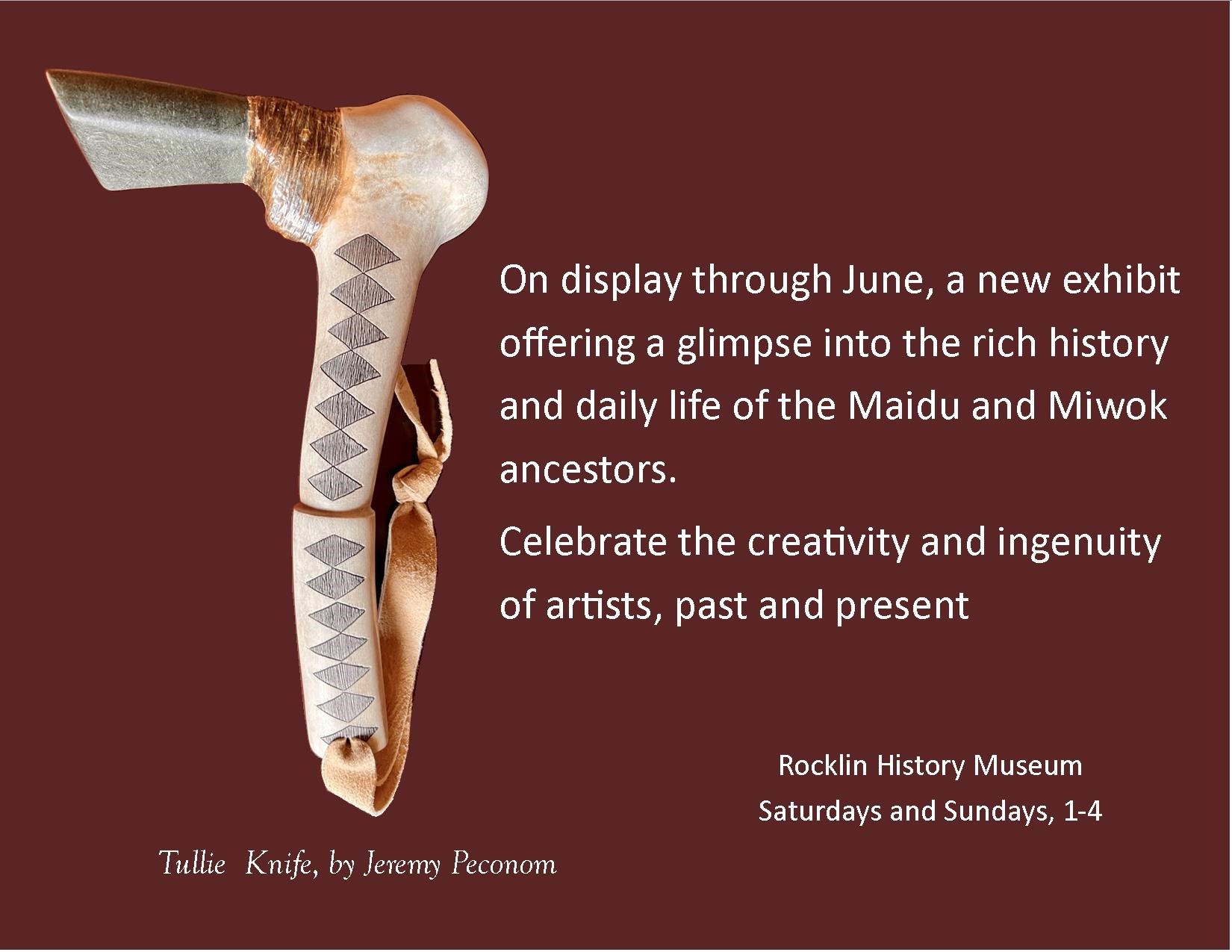
Miwok and Maidu Art Brought Living Traditions to the Museum
The museum’s Spring 2023 Miwok and Maidu exhibit presented contemporary art and new interpretations of traditional tools.
Spring 2023 · 2 min read
The Sixty-Year Dream Behind Rocklin’s History Museum
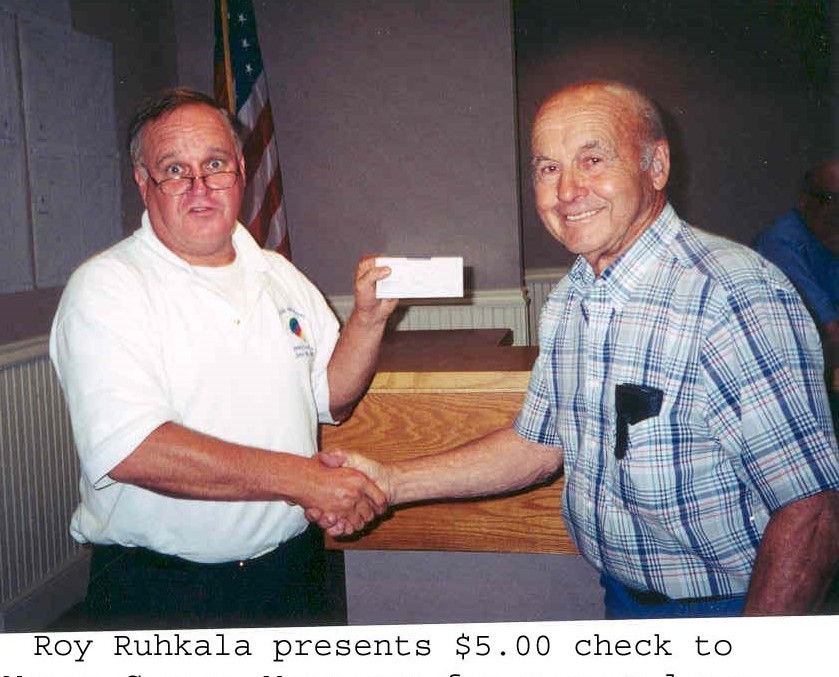
Rocklin History Museum opened in 2002 after decades of advocacy, fundraising, and volunteer restoration of the historic Moon House.
Spring 2022 · 2 min read
Rocklin 250: A National Anniversary with a Local Point of View
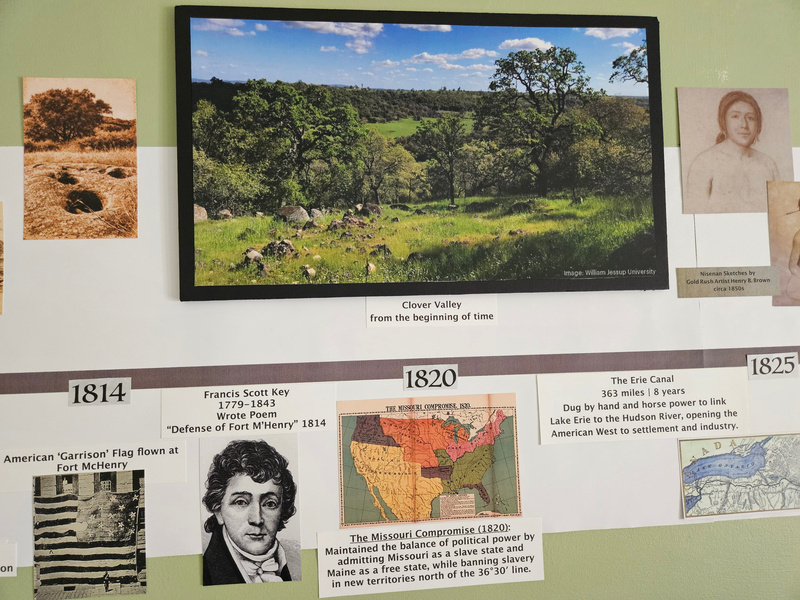
The Rocklin 250 exhibit connects the nation’s founding with local landscapes, wildlife, migration, and the community’s own timeline.
Summer 2026 · 2 min read