
Historic Places · From the Spring 2024 archive
Old St. Mary’s Bell and Its Unexpected Connection to the Abolition Movement
The bell now associated with Old St. Mary’s began at another Rocklin church. Its history leads back to an 1885 anniversary and a letter from poet John Greenleaf Whittier.
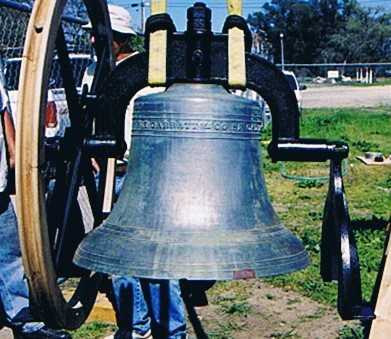
The bell at Old St. Mary’s Chapel carries a history that began somewhere else. Doug Osella’s article traced it to Rocklin’s First Congregational Church, where church records said it was hung in May 1885 and first rang on Children’s Day.
It had been cast in San Francisco at the W. T. Garratt foundry. More than a century later, an agreement between Community Covenant Church, the bell’s owner, and the Rocklin Historical Society placed it on long-term loan in the restored Old St. Mary’s Chapel.
The minister and the bell
The original church had called the Rev. Hiram Cummings as pastor in 1884. His wife, Lavina Soule Cummings, worked alongside him, especially in the Sunday school. Osella credited her efforts with procuring the bell.
In June 1885, the congregation celebrated the couple’s golden wedding anniversary. Friends and community members gathered, and letters of congratulation were read. One came from the poet John Greenleaf Whittier.
A friendship rooted in the fight against slavery
Cummings had been associated with the anti-slavery movement during his earlier ministry in the Boston area. Whittier’s letter recalled their shared work for emancipation and offered congratulations to his old friend and his wife.
That correspondence gives the bell’s local history a wider setting. It connects a Rocklin congregation with people who had spent earlier decades working against slavery, then followed very different paths into later life.
Osella’s article reproduced the letter and photographs documenting the bell’s place in the chapel restoration. Read together, they show why an object’s history is more than its casting date. The people who commissioned it, heard it, saved it, and returned it to use are part of the story as well.
There’s more to discover
Keep reading.
From the same newsletter
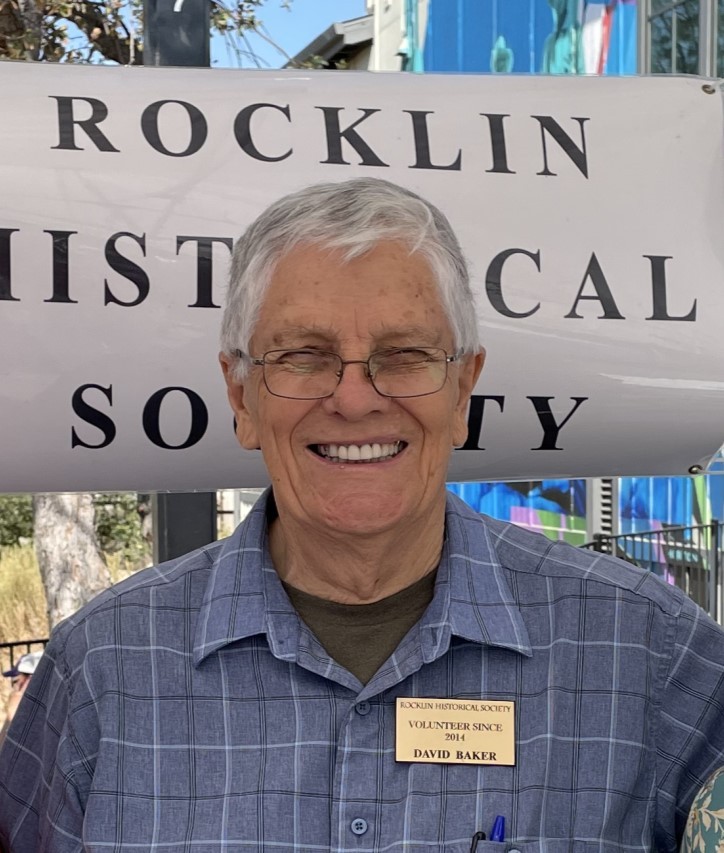
David Baker’s Pioneer Award: Preserving Rocklin in Public View
The Spring 2024 Quarry Quarterly recognized David Baker’s preservation work, from museum archives to the historical markers seen around Rocklin.
Spring 2024 · 2 min read
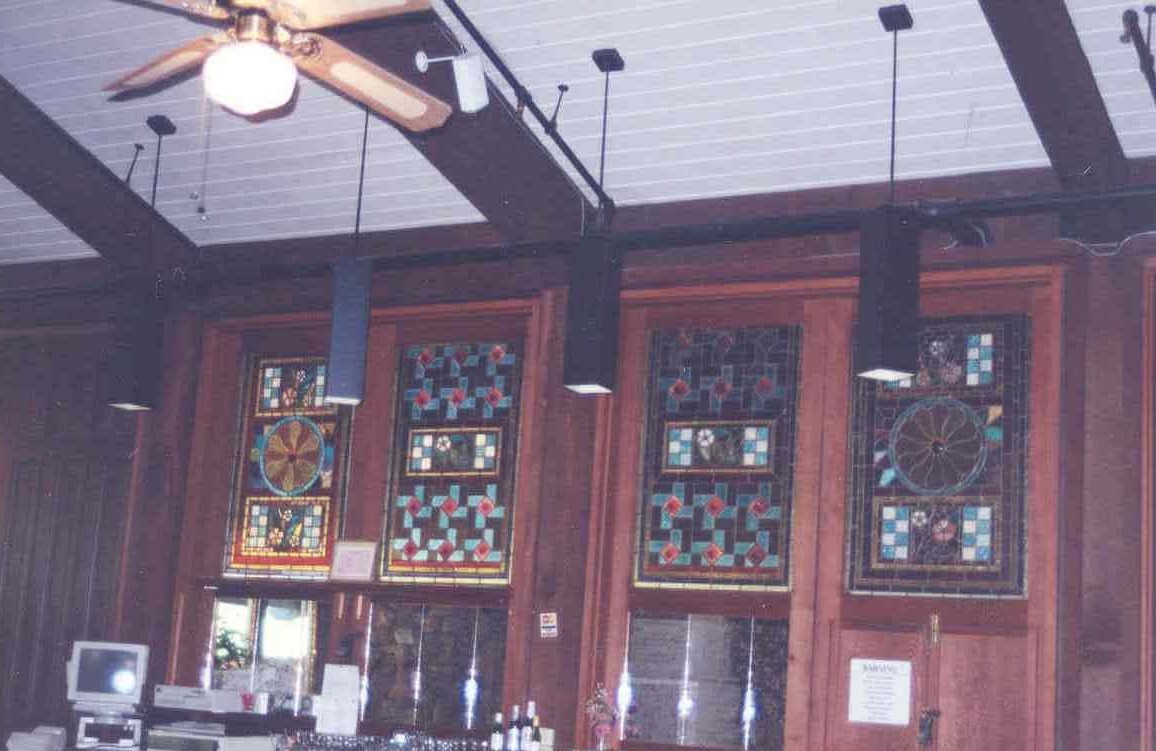
Saving the Whitney Mansion’s Stained Glass
How Gene Johnson, David Baker, and museum volunteers saved stained-glass panels from the Whitney mansion and prepared them for display in 2024.
Spring 2024 · 3 min read
More Historic Places
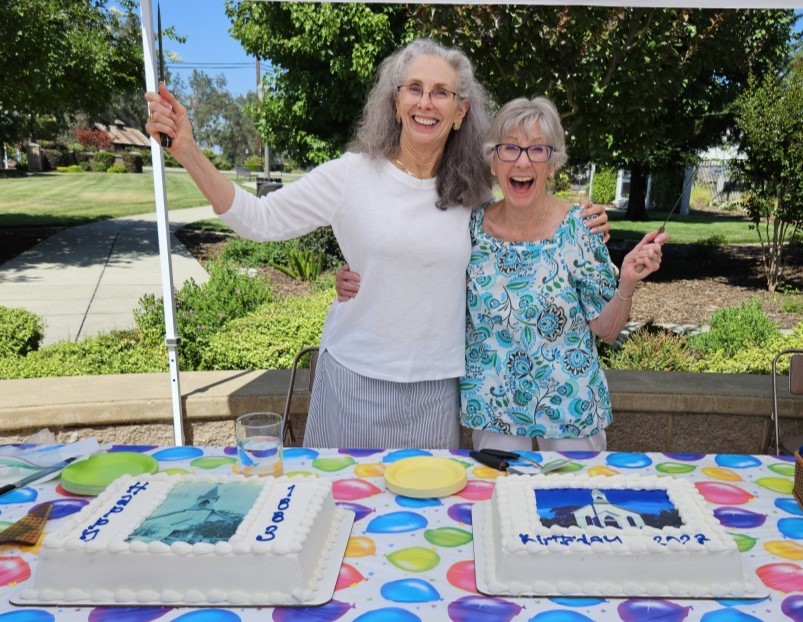
140 Years of Old St. Mary’s: A Birthday Built on Preservation
Old St. Mary’s celebrated 140 years in 2023, remembering the volunteers, schoolchildren, and donors who helped save the chapel.
Summer 2023 · 2 min read
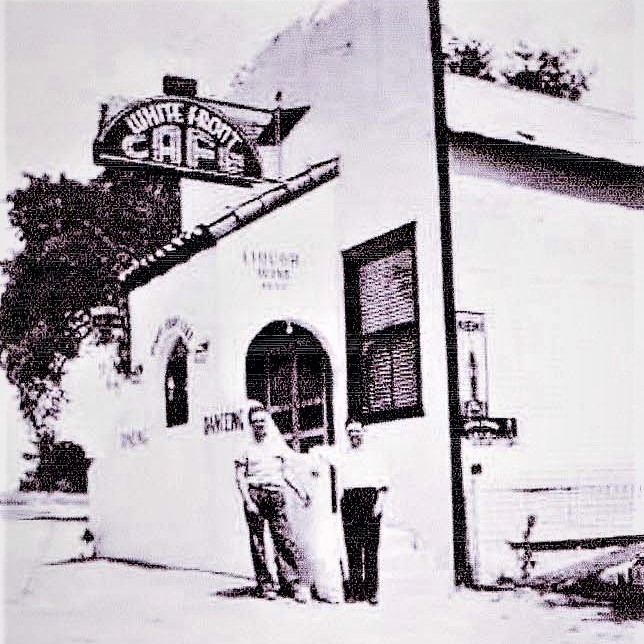
4835 Pacific Street: From the White Front to Loree’s Little Shack
Trace the history of 4835 Pacific Street, from the DeFuentes family’s roadside businesses to the White Front and Loree’s Little Shack.
January 2023 · 2 min read
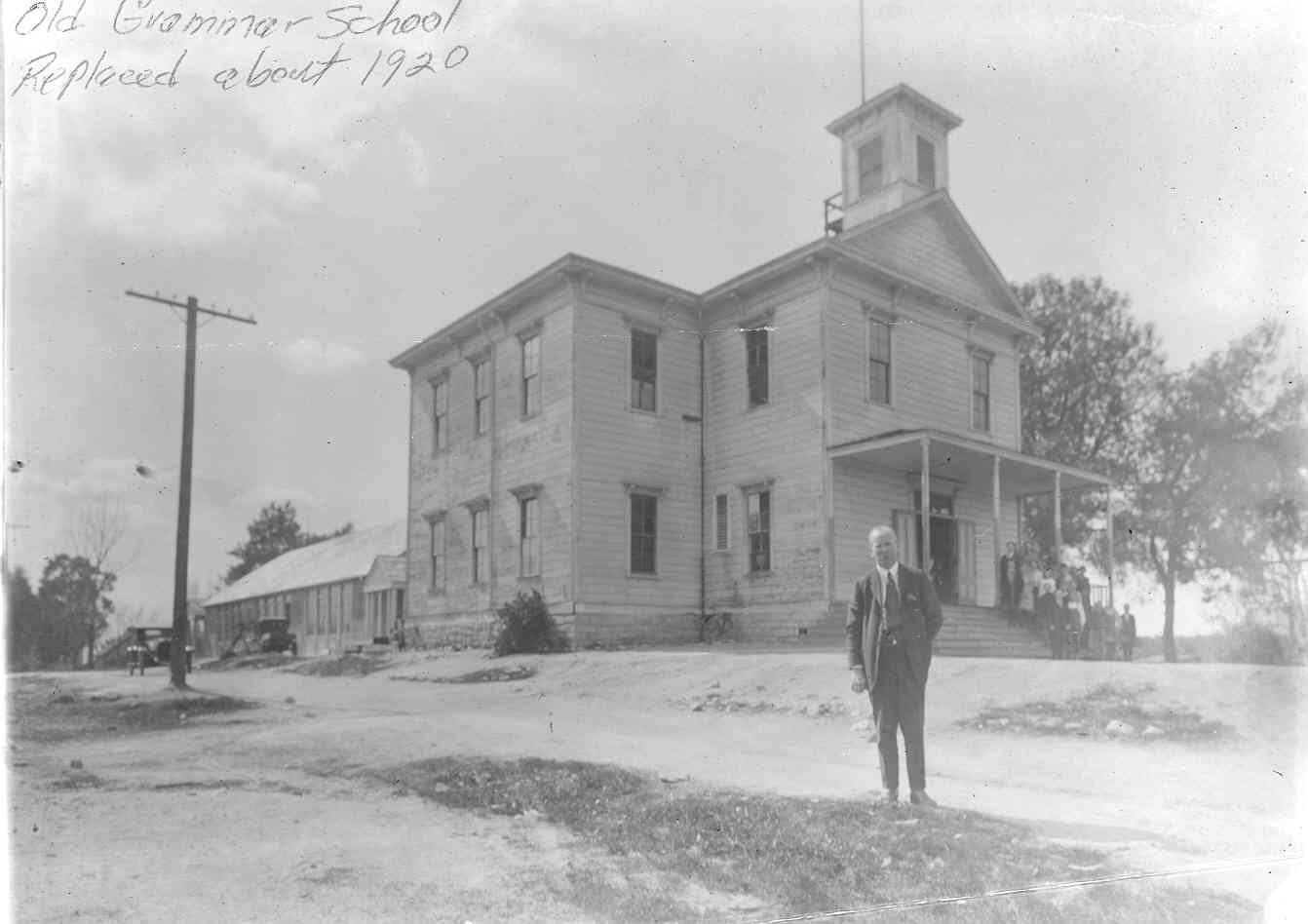
The School Behind the Steps: Rocklin Grammar School on Pacific Street
Rocklin’s Pacific Street school site holds memories reaching from the district’s early years to the opening of a new school on Meyers Street in 1952.
Summer 2020 · 2 min read