
Railroads & Quarries · From the July 2024 archive
The Machine That Smoothed Rocklin’s Granite
A restored surfacing machine at Quarry Park tells the story of an industry transformed by compressed air—and the volunteers who kept its tools from disappearing.
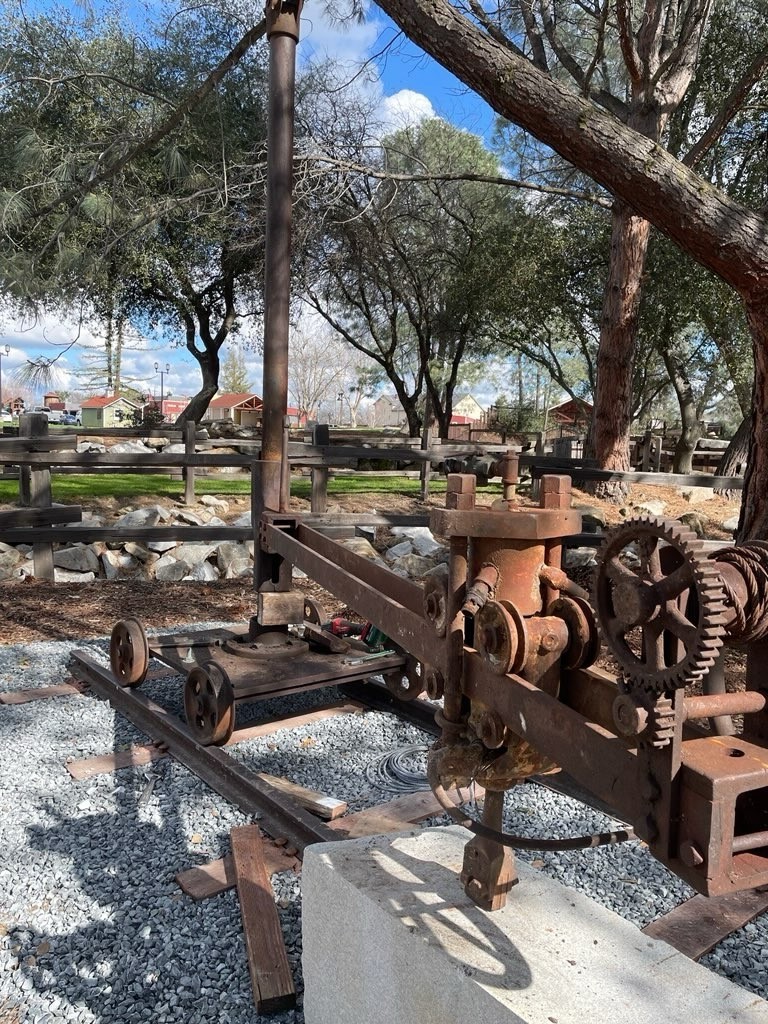
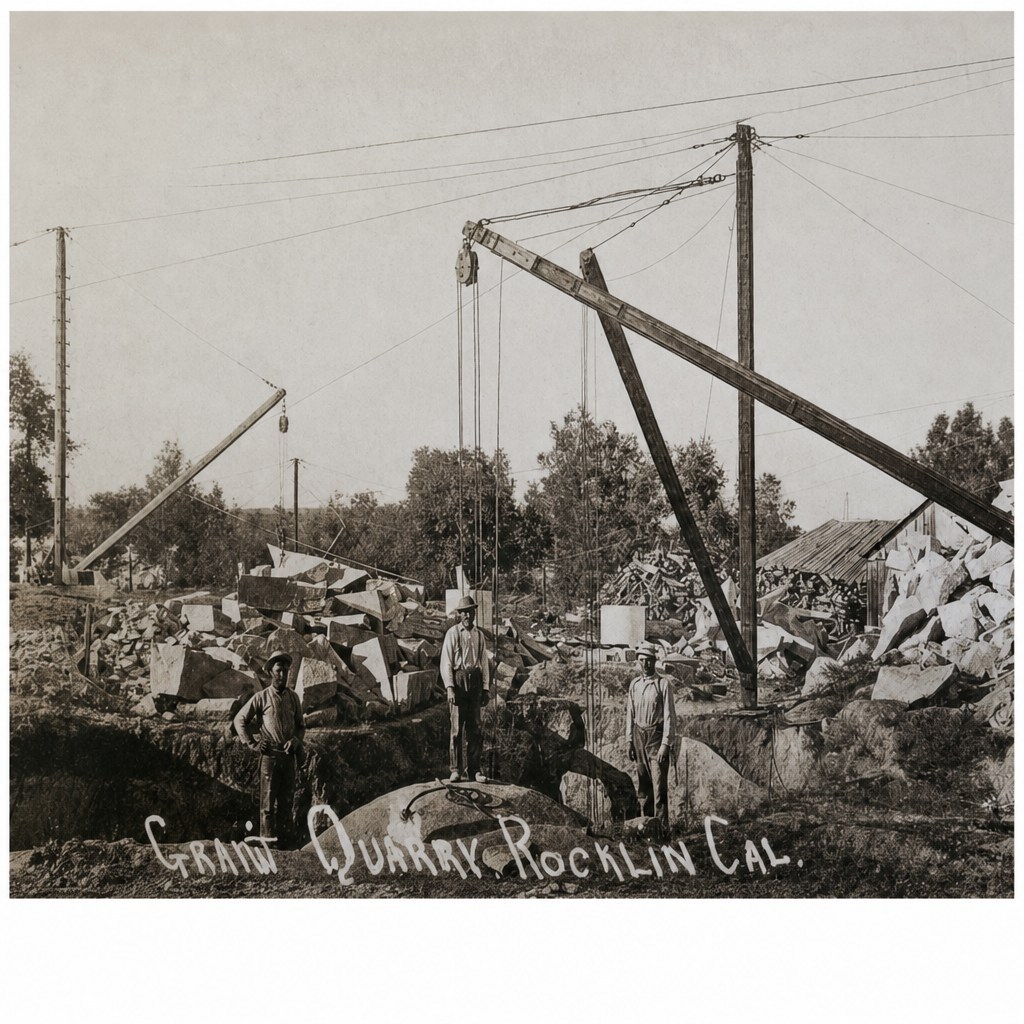
For nearly a century, a surfacing machine worked in the cutting shed above Capitol Quarry’s granite pit. It helped turn rough stone into flat slabs—including sidewalk slabs resurfaced for San Francisco in the mid-1960s. By July 2024, the machine had a new purpose: helping visitors understand how Rocklin’s quarries worked.
Gloria Beverage’s newsletter report described its preservation and placement at Quarry Park Adventures. David Baker, the Historical Society’s Fix-It Crew, and City of Rocklin employees helped bring the project together.
Making a flat surface from rough stone
Surfacing machines entered the granite industry around 1890. Earlier workers shaped stone with hand tools; pneumatic equipment reduced the labor involved in producing a level surface.
On this machine, an air-powered hammer moved along a horizontal bar. A hand winch raised or lowered the bar, which could rotate around its post while staying in a flat plane. A toothed chisel did the rough work, with a brush chisel used for finer finishing when needed. The equipment made a difficult process easier to repeat across a large stone.
Saved before it was too late
As Rocklin’s quarries closed during the twentieth century, former quarry operator and Society co-founder Roy Ruhkala set aside two surfacing machines among other antique tools in his backyard. One was cleaned and displayed at the History Museum; the July 2024 article celebrated a home for the second.
The work also included an interpretive sign, with text by Baker and design by Anelise Bean of Ocean Shore Printing. Preserving the heavy iron machinery was only part of the project. Explaining how people used it lets a visitor connect the equipment to the stone beneath Rocklin’s streets and to the workers who built an industry around it.
There’s more to discover
Keep reading.
From the same newsletter
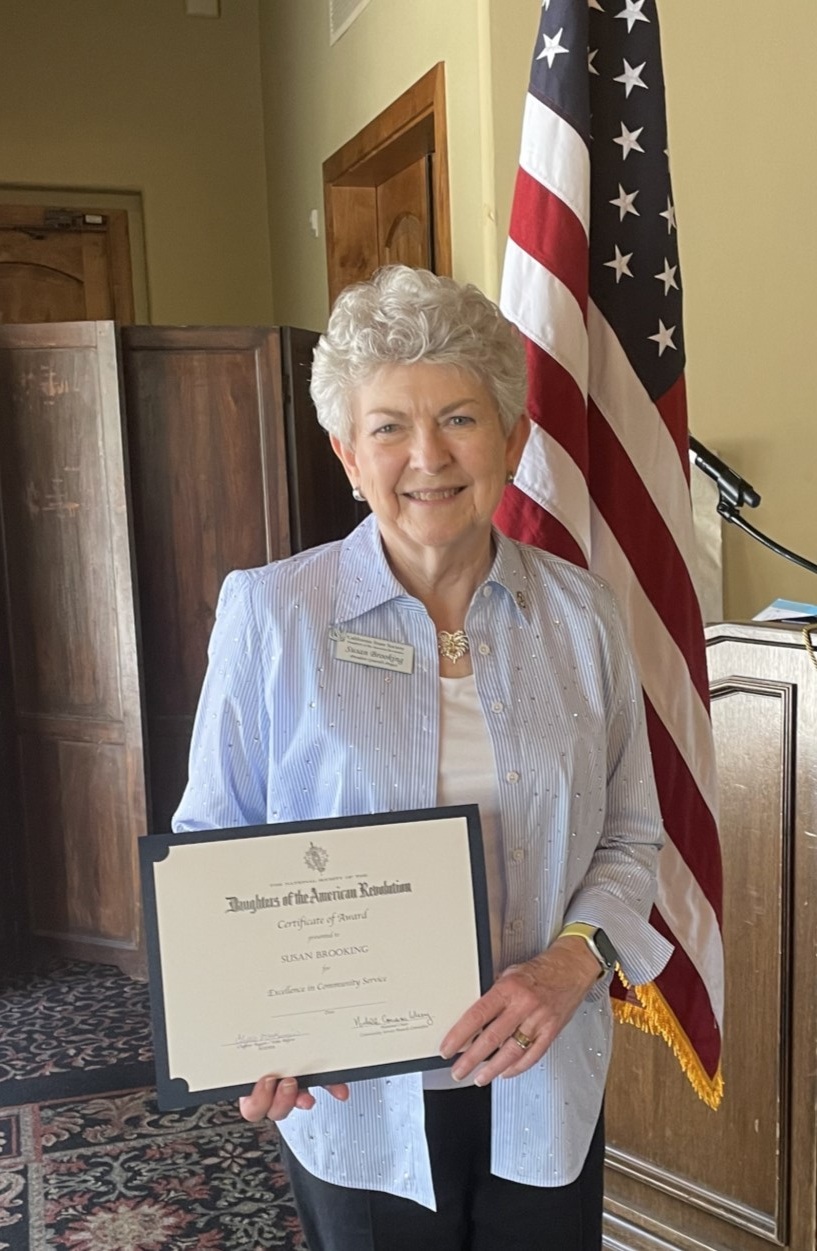
Susan Brooking: Sharing the Stories Behind the Museum
Susan Brooking’s 2024 DAR Community Service award recognized years of museum work, school tours, preservation, and hospitality in Rocklin.
July 2024 · 2 min read
More Railroads & Quarries
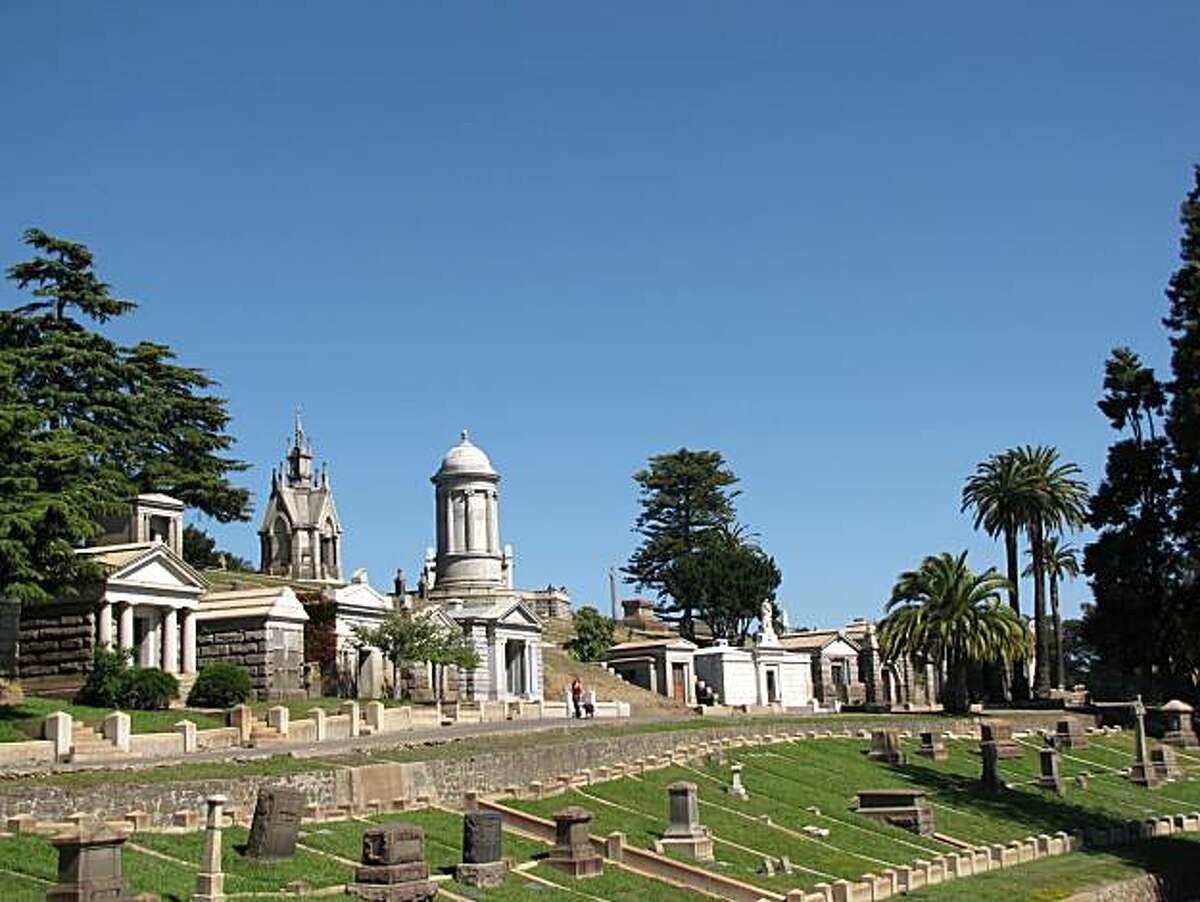
Rocklin Granite on Oakland’s Millionaire’s Row
The Charles Crocker monument in Oakland connects a celebrated architect and railroad family with skilled granite workers in Rocklin.
February 2026 · 2 min read
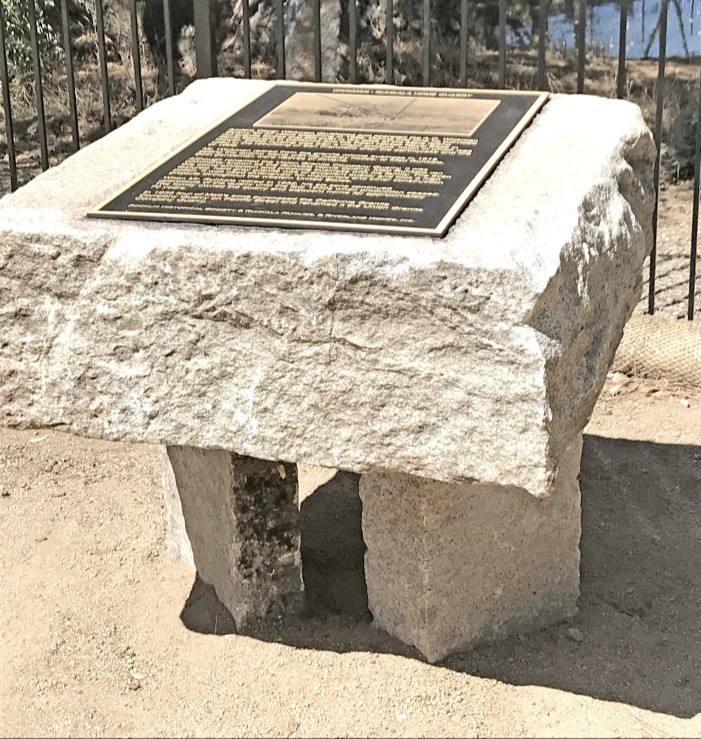
Reading the Quarry Landscape at Village-by-the-Ponds
A September 2022 dedication recognized the Wickman-Ruhkala Home quarry and Kannasto quarry at Village-by-the-Ponds.
Fall 2022 · 2 min read
How Granite, Railroads, and the Ruhkala Family Shaped Rocklin
Explore Rocklin’s granite industry through the quarries, railroad connections, and Ruhkala family history preserved in the newsletter.
May 2026 · 2 min read