
Railroads & Quarries · From the Winter 2013 archive
Why Rocklin’s Roundhouse Moved to Roseville
The railroad made Rocklin a service center, then changing space needs shifted that work to a neighboring town.
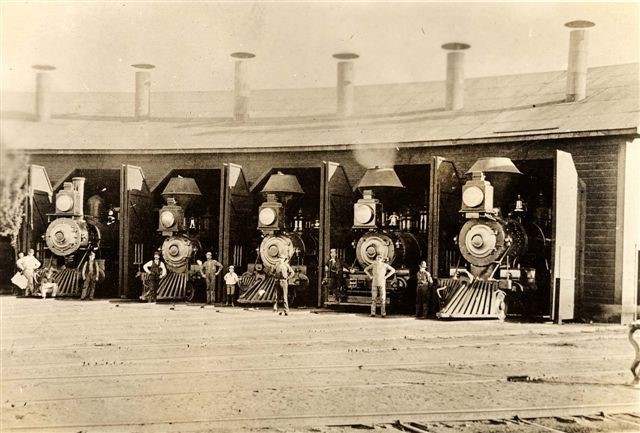
Rocklin’s railroad importance grew from its position near the Sierra foothills. Trains needed additional locomotives for the climb, along with fuel, water, and a place to service the engines.
Gary Day’s history explains that an earlier plan favored Junction, later Roseville. Rocklin ultimately gained the engine facility, with nearby wood supplies and a location closer to the steep grades.
A busy and vulnerable workplace
The roundhouse opened in May 1867 near Front Street and Granite Street, now Rocklin Road. It eventually had 25 stalls and a large woodshed. Fires damaged the complex in 1869 and 1873, but railroad work continued.
Expansion plans in 1905 raised local hopes. A larger operation would have meant more jobs and business for the town.
Space changed the decision
By 1906, the railroad had turned toward Roseville. Day describes cheaper land and greater room to expand there, while Rocklin’s homes and quarries constrained the available site.
Operations moved in April 1908. The roundhouse was demolished in 1912, ending a major chapter in Rocklin’s working life.
More than a century later, exposed foundations helped visitors picture the vanished building. Those traces matter because the railroad’s story survives not only in locomotives, but also in the places where people maintained them.
There’s more to discover
Keep reading.
From the same newsletter
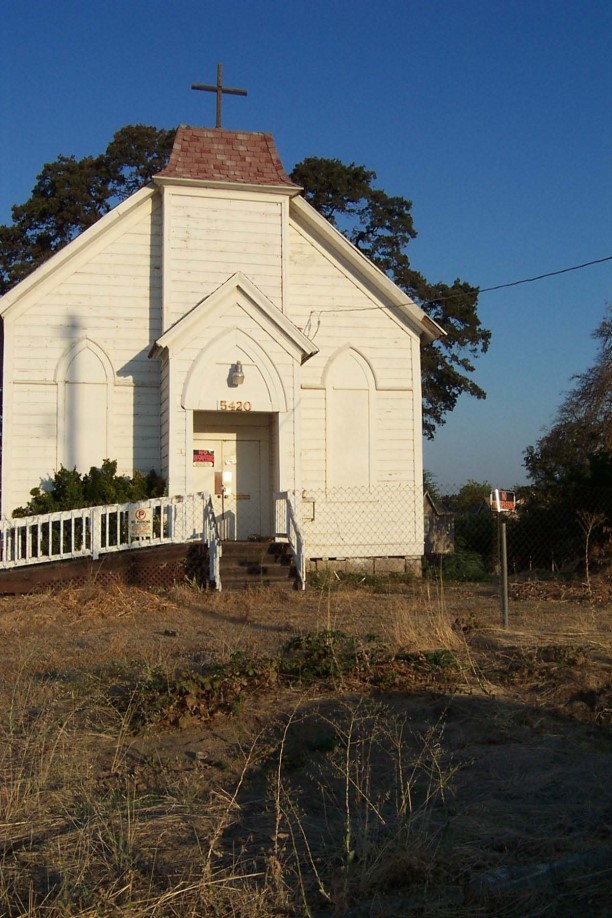
Father Dillon Remembers the Last Years of Worship at Old St. Mary’s
Father Dillon’s memories of Old St. Mary’s recall the congregation’s growth and its move to a larger church in 1983.
Winter 2013 · 2 min read
More Railroads & Quarries
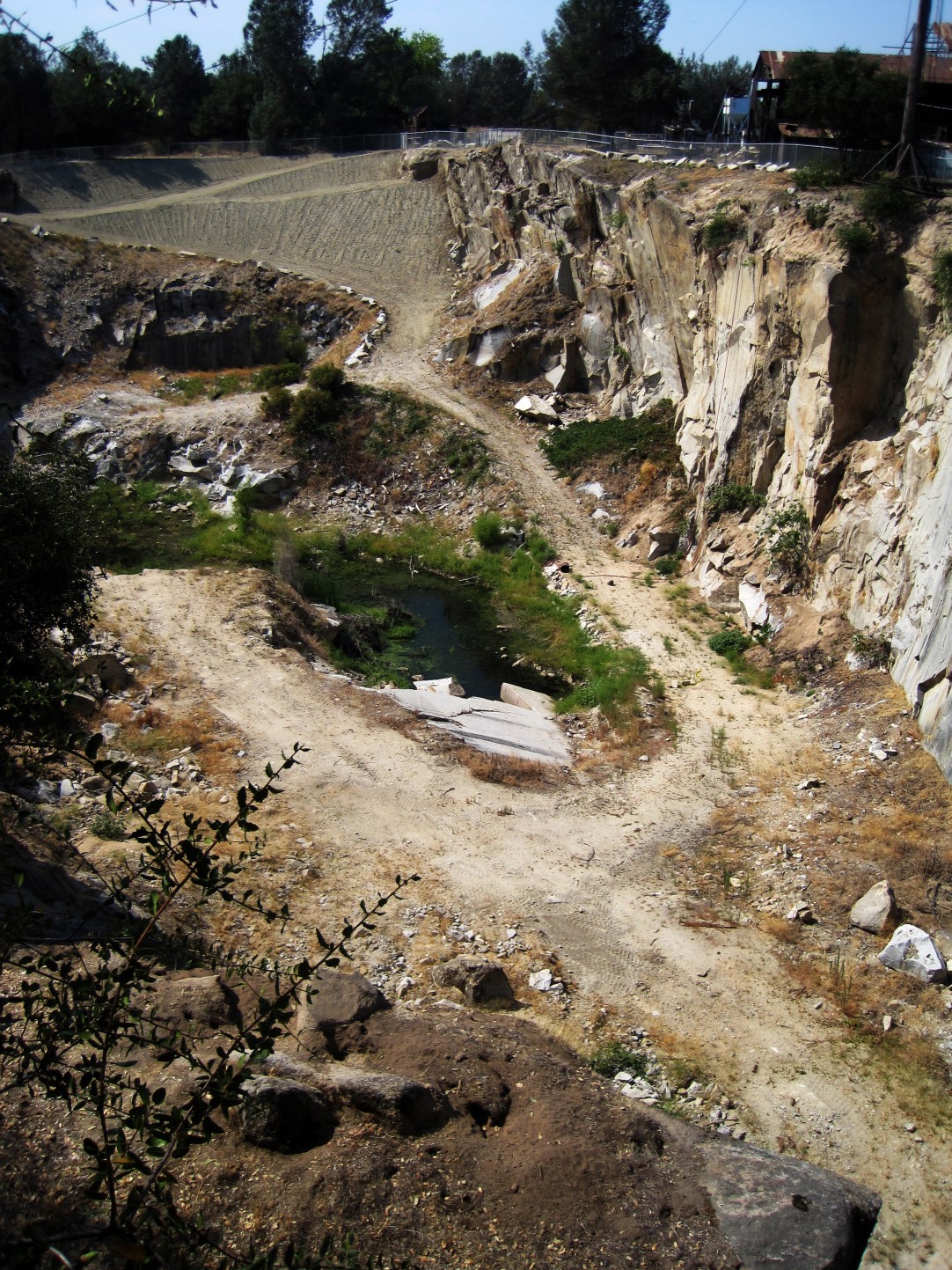
Roy Ruhkala Remembered the Work Inside Big Gun Quarry
Roy Ruhkala’s recollections connect Big Gun Quarry’s working machinery with his long effort to save Rocklin’s photographs and artifacts.
Winter 2012 · 2 min read
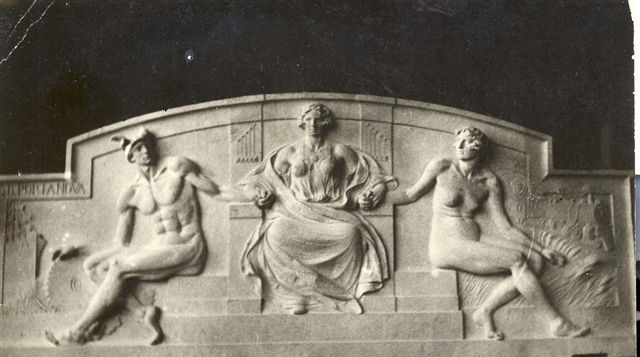
How Rocklin Granite Traveled Beyond the Quarry
Gary Day traced how rail access and skilled quarry workers carried Rocklin granite into buildings and streets far beyond the city.
Fall 2011 · 2 min read
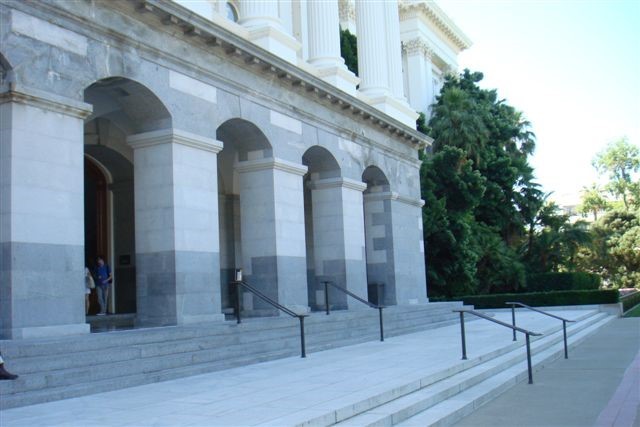
From Capitol Stone to Quarry Park Adventures
Big Gun Quarry supplied Capitol granite before becoming the site of Quarry Park Adventures in 2018.
October 10, 2018 · 2 min read