
Railroads & Quarries · From the Winter 2012 archive
Roy Ruhkala Remembered the Work Inside Big Gun Quarry
A quarryman’s memories explain the machinery, skill, and collecting work behind the museum’s granite story.
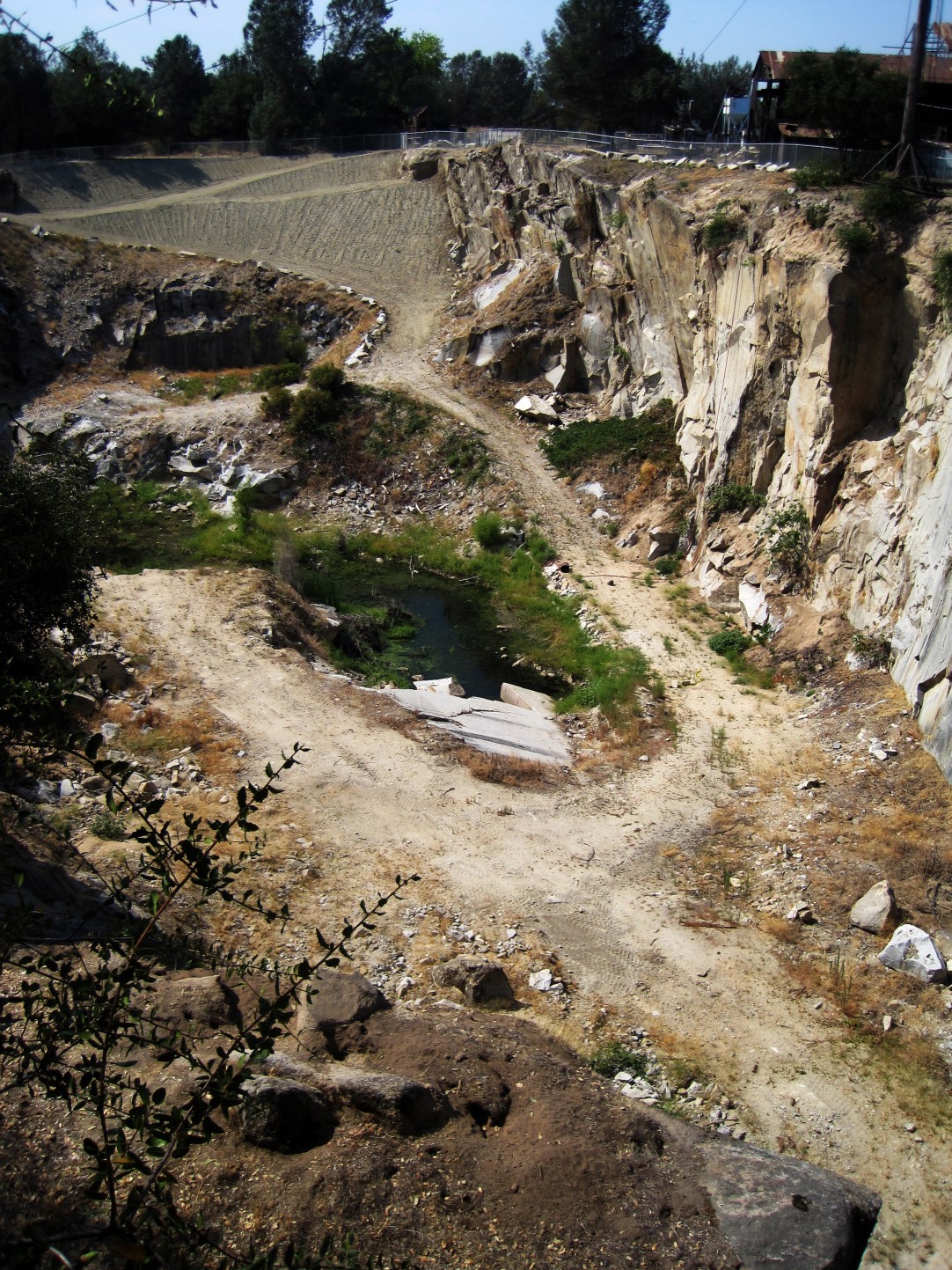
Big Gun Quarry was more than an impressive hole in the ground to Roy Ruhkala. It was a workplace he knew from the inside.
In Gloria Beverage’s Winter 2012 interview, he recalled his family taking over the quarry in 1933 and rebuilding its giant saw. An overhead crane later made it easier to move heavy granite through the shed.
Knowing the equipment
Before that improvement, workers guided stone with ropes from positions in the rafters. Ruhkala remembered the cold wind passing through the open shed and the balance the work required.
The operation handled the whole process: extracting, sawing, polishing, shaping, and carving stone. Smaller pieces also had uses, including poultry grit and material mixed into planting soil.
Saving what work leaves behind
When equipment moved or became obsolete, Ruhkala kept tools with a future museum in mind. He had also begun collecting photographs in 1958, encouraging families at reunions to contribute originals or allow copies.
He recovered photographs and memorabilia headed for the dump, too. Those repeated, practical acts helped build a collection long before the museum had a building.
The interview recorded uncertainty about the quarry’s future in 2013. It also showed why preserving machinery and memories together mattered: a pit reveals where work happened, while a worker’s account explains how.
There’s more to discover
Keep reading.
From the same newsletter
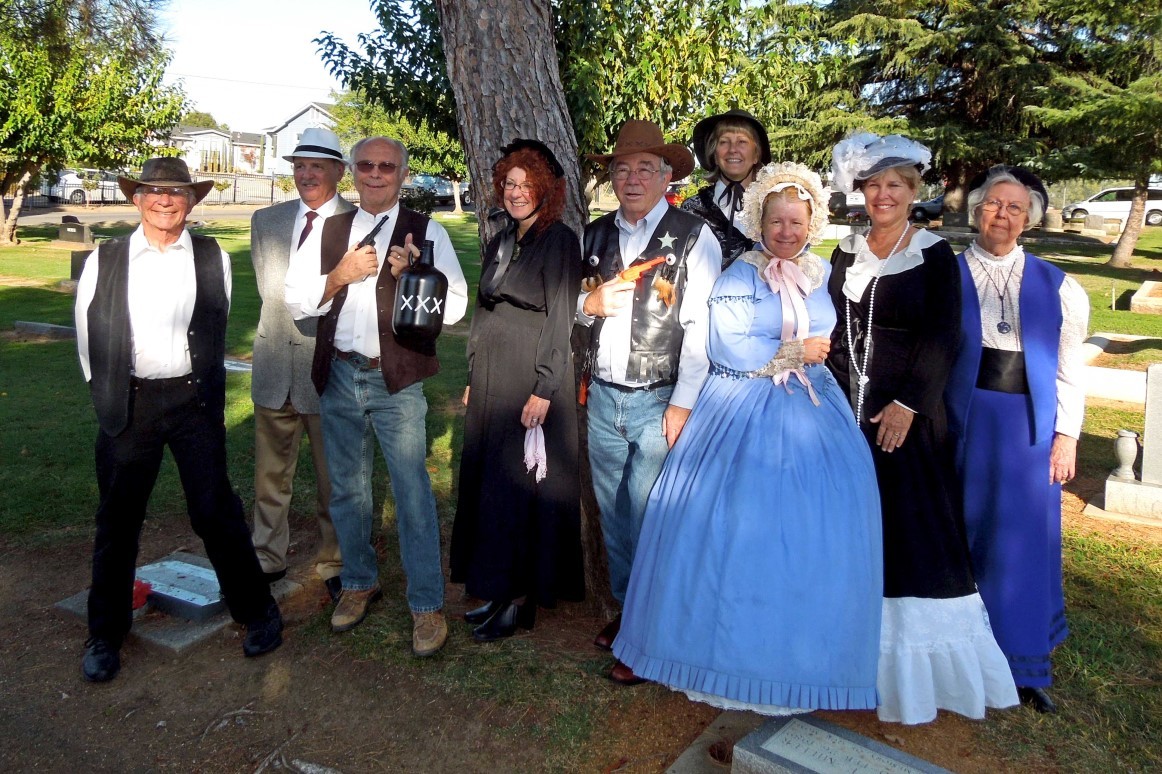
Voices of the Passed Made Cemetery History a Shared Performance
The October 2012 cemetery performances used local characters and volunteer actors to share Rocklin’s history with about 60 visitors.
Winter 2012 · 2 min read
More Railroads & Quarries
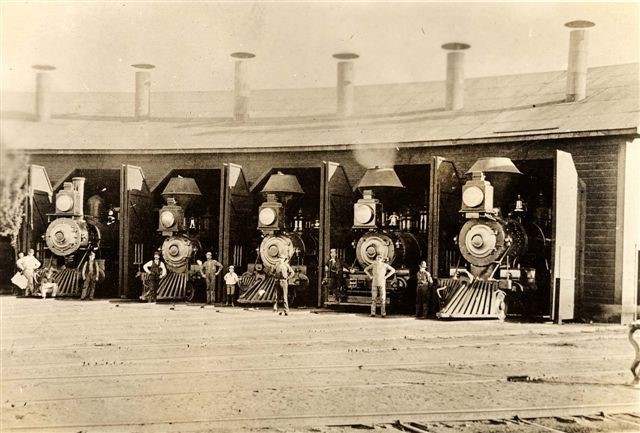
Why Rocklin’s Roundhouse Moved to Roseville
Gary Day’s account traces the Rocklin roundhouse from its 1867 opening to the transfer of railroad operations to Roseville in 1908.
Winter 2013 · 2 min read
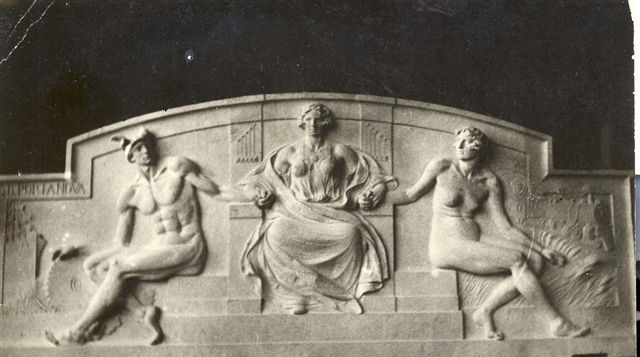
How Rocklin Granite Traveled Beyond the Quarry
Gary Day traced how rail access and skilled quarry workers carried Rocklin granite into buildings and streets far beyond the city.
Fall 2011 · 2 min read
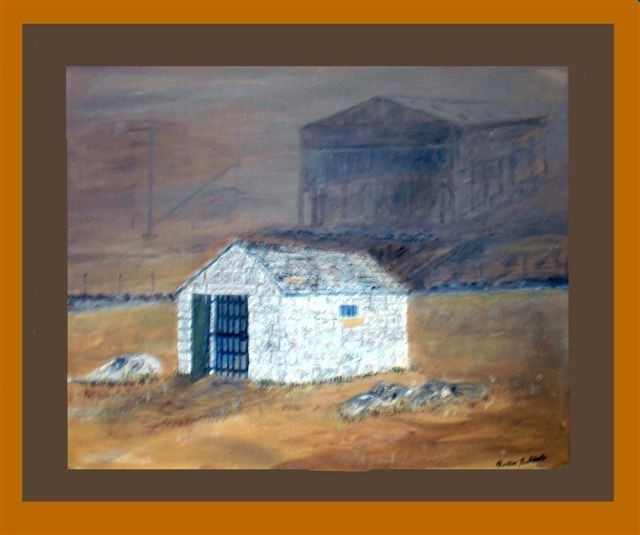
Rocklin’s Little Granite Jail and the Travelers Who Slept There
Ruben Ruhkala’s recollections preserve the story of Rocklin’s small granite jail and the railroad travelers it sheltered.
Winter 2008 · 2 min read