
Railroads & Quarries · From the Winter 2008 archive
Rocklin’s Little Granite Jail and the Travelers Who Slept There
Railroad work, rough travel, and a tiny jailhouse intersect in memories of early Rocklin.
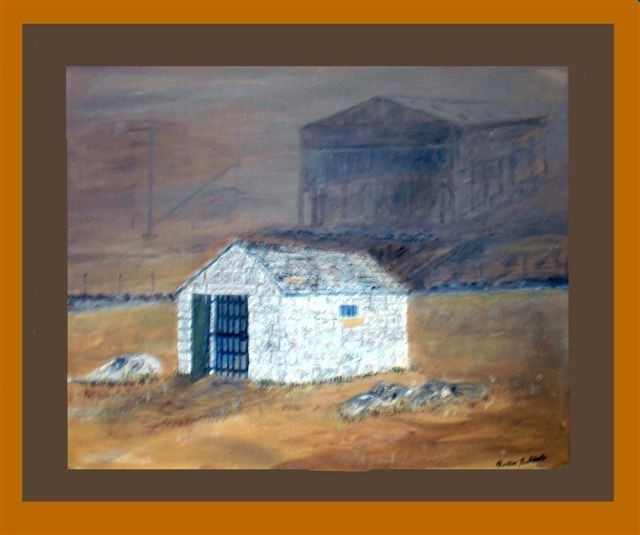
Rocklin’s railroad roundhouse made the town a busy stopping point. It also drew people traveling without tickets aboard freight trains, often looking for work.
In the Winter 2008 newsletter, Gary Day used Ruben Ruhkala’s research and recollections to describe a small granite jail near Pacific and Bush streets.
A night out of the cold
The building measured roughly eight by ten feet. According to the account, it eventually served not only as a jail but as overnight shelter for some itinerant travelers, who were locked inside until morning.
As a schoolboy, Ernest Willard reportedly opened the door on his way to class. His father was the town marshal; Ernest later became Rocklin’s first police chief.
Remembered after the walls were gone
Following the roundhouse’s move to Roseville in 1908 and the decline of quarry activity, the jail fell out of use. Its granite was reused in a house foundation in the early 1920s.
Ruhkala later painted the vanished building. The image, made from memory rather than a contemporary photograph, preserves both a structure and a less visible part of the railroad town’s life.
There’s more to discover
Keep reading.
From the same newsletter
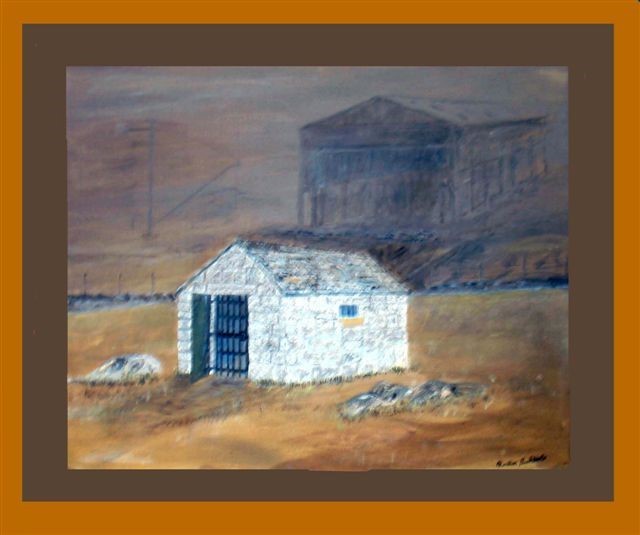
Your Life Story Is Part of Rocklin’s History
Julie Parker encouraged residents to preserve personal memories, from family meals and music to the choices that shaped their lives.
Winter 2008 · 2 min read
More Railroads & Quarries
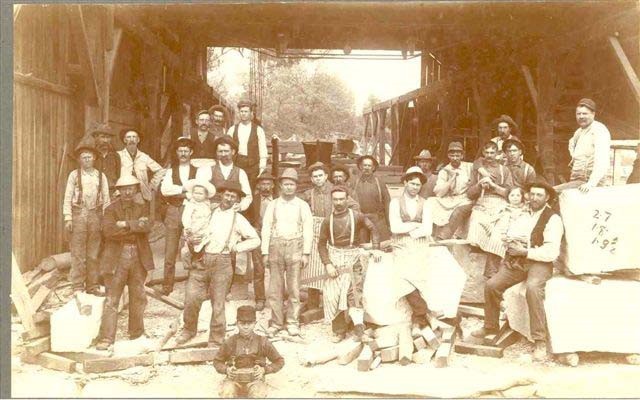
The Delano Quarry Beneath a Changed Landscape
The Delano quarry supplied large slabs and curbstones before becoming Rocklin’s dump and later a developed property.
Spring 2008 · 2 min read
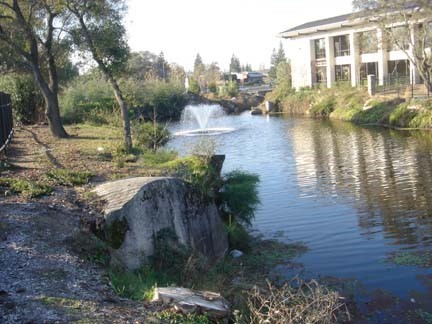
Reading Rocklin’s Quarry Landscape
Gary Day’s 2006 quarry tour explained how former industrial sites remained visible in Rocklin’s changing landscape.
Winter 2006 · 2 min read
How Rocklin Granite Traveled Beyond the Quarry
Gary Day traced how rail access and skilled quarry workers carried Rocklin granite into buildings and streets far beyond the city.
Fall 2011 · 2 min read