
Railroads & Quarries · From the Summer 2026 archive
California Pearl: The Ruhkala Family’s Black Granite Discovery
A hunting trip led three quarrymen to a stone that would become monuments, benches, and family fireplaces.
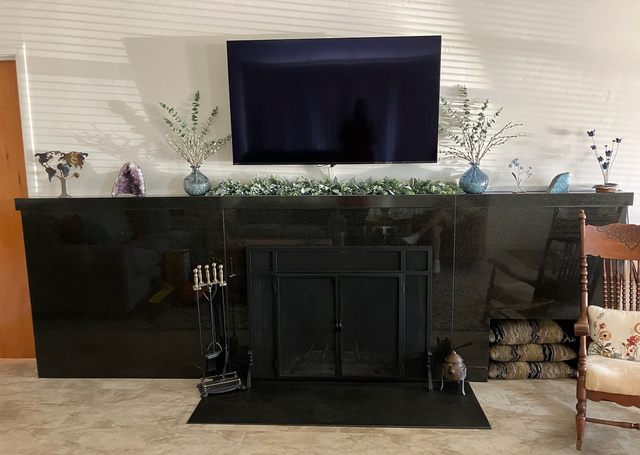
The Ruhkala brothers went out looking for deer. What caught their attention instead was an outcropping of black granite. In her family history, Bonnie Ruhkala Neumann recalled how Abner, Benjamin, and Ruben Ruhkala noticed the stone while hunting near Auburn Folsom Road in the early 1940s.
They left the buck behind, fetched a sledgehammer from their truck, and broke off a large sample. Back at their Rocklin quarry, they discovered that the stone was excellent quality and polished to a beautiful black finish.
A new quarry near Loomis
The family already knew the granite trade well. Matt and Eva Ruhkala’s family had worked in Rocklin’s granite industry since the 1890s. In 1933, four brothers—Abner, Michael, Benjamin, and Ruben—purchased Adolf Pernu’s California Granite Company on Pacific Street and renamed it Union Granite Company.
In 1944 they bought ten acres around the black granite outcrop from the Brown family, followed by three acres from the Holpainen family. Equipment was brought in to drill and blast the stone. Crews traveled from Rocklin to the Loomis quarry two or three times a month, returning with granite to process.
A stone called California Pearl
The brothers named their product California Pearl. It became material for monuments, benches, and fireplaces, including fireplaces in several Ruhkala family homes. Neumann’s own home received one when it was built in 1950; the photograph above shows that lasting piece of family craftsmanship.
The newsletter also pictured Peggy and Roy Ruhkala’s monument, made from the same polished black granite. According to the family account, Union Granite Company operated one of only two working black granite quarries in California at the time. A chance discovery had become another distinctive part of Rocklin’s stoneworking history.
There’s more to discover
Keep reading.
From the same newsletter
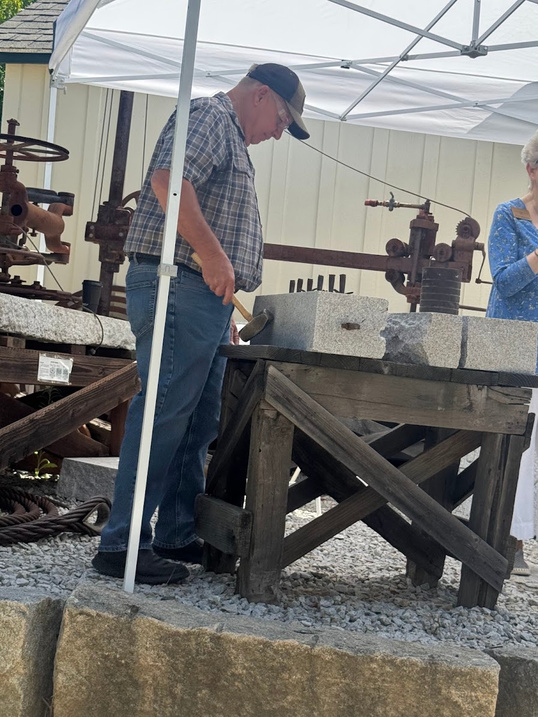
Hands-On History at Rocklin’s 2026 Heritage Trail Day
Rocklin’s 2026 Heritage Trail Day brought traditional tools and granite-splitting demonstrations to more than 100 museum visitors.
Summer 2026 · 2 min read
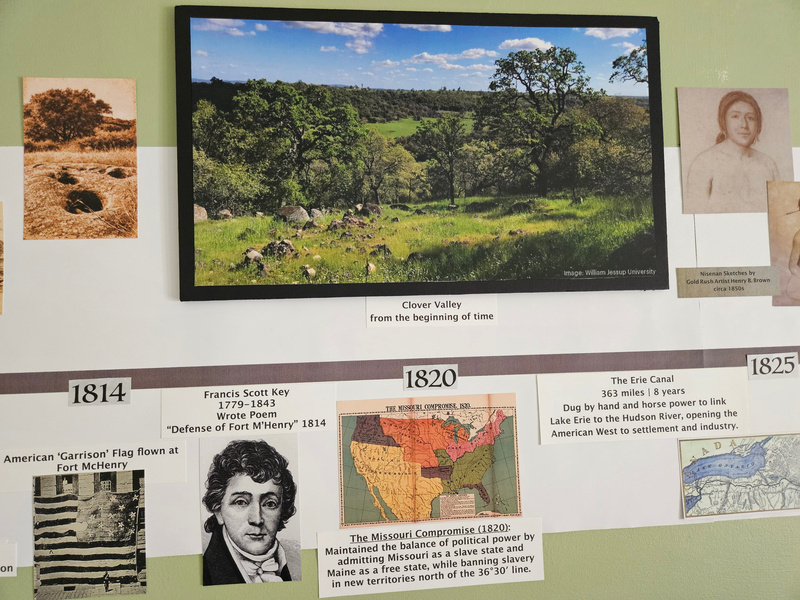
Rocklin 250: A National Anniversary with a Local Point of View
The Rocklin 250 exhibit connects the nation’s founding with local landscapes, wildlife, migration, and the community’s own timeline.
Summer 2026 · 2 min read
More Railroads & Quarries
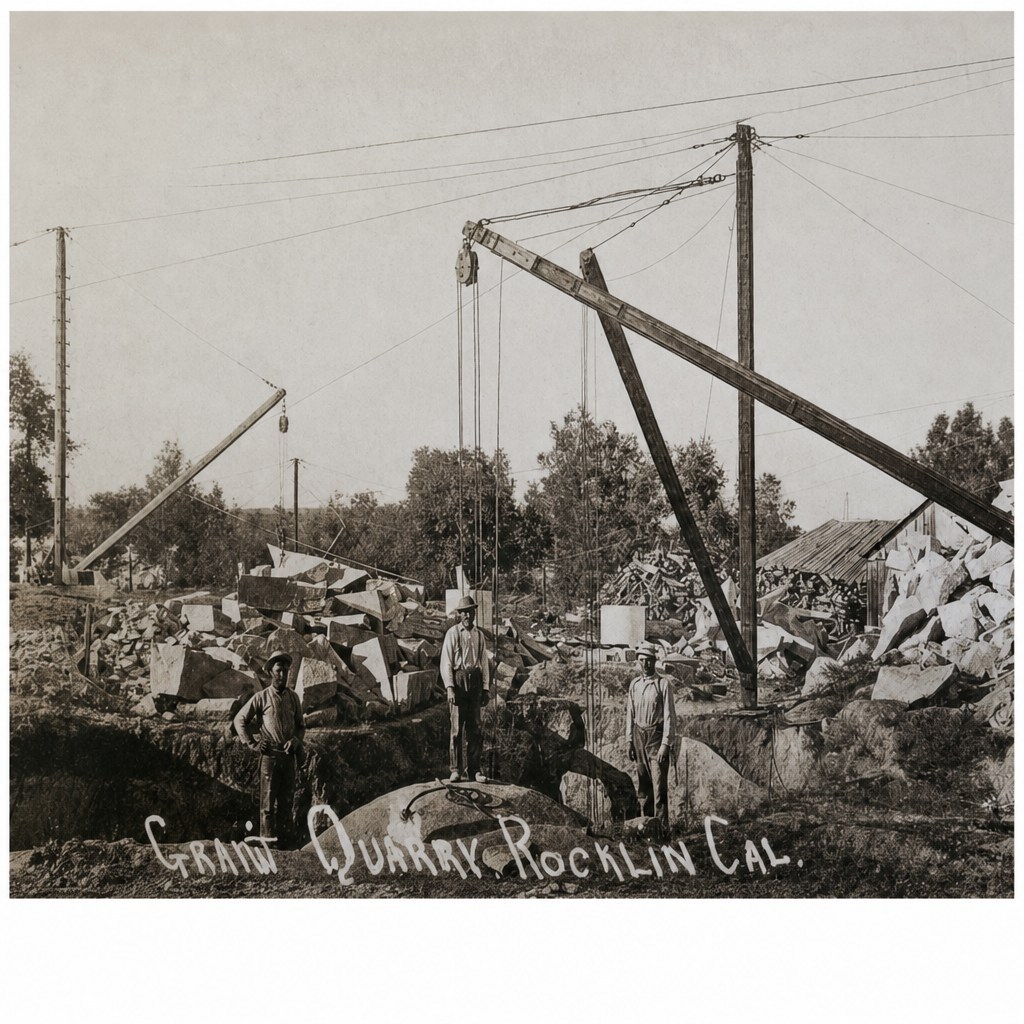
How Granite, Railroads, and the Ruhkala Family Shaped Rocklin
Explore Rocklin’s granite industry through the quarries, railroad connections, and Ruhkala family history preserved in the newsletter.
May 2026 · 2 min read
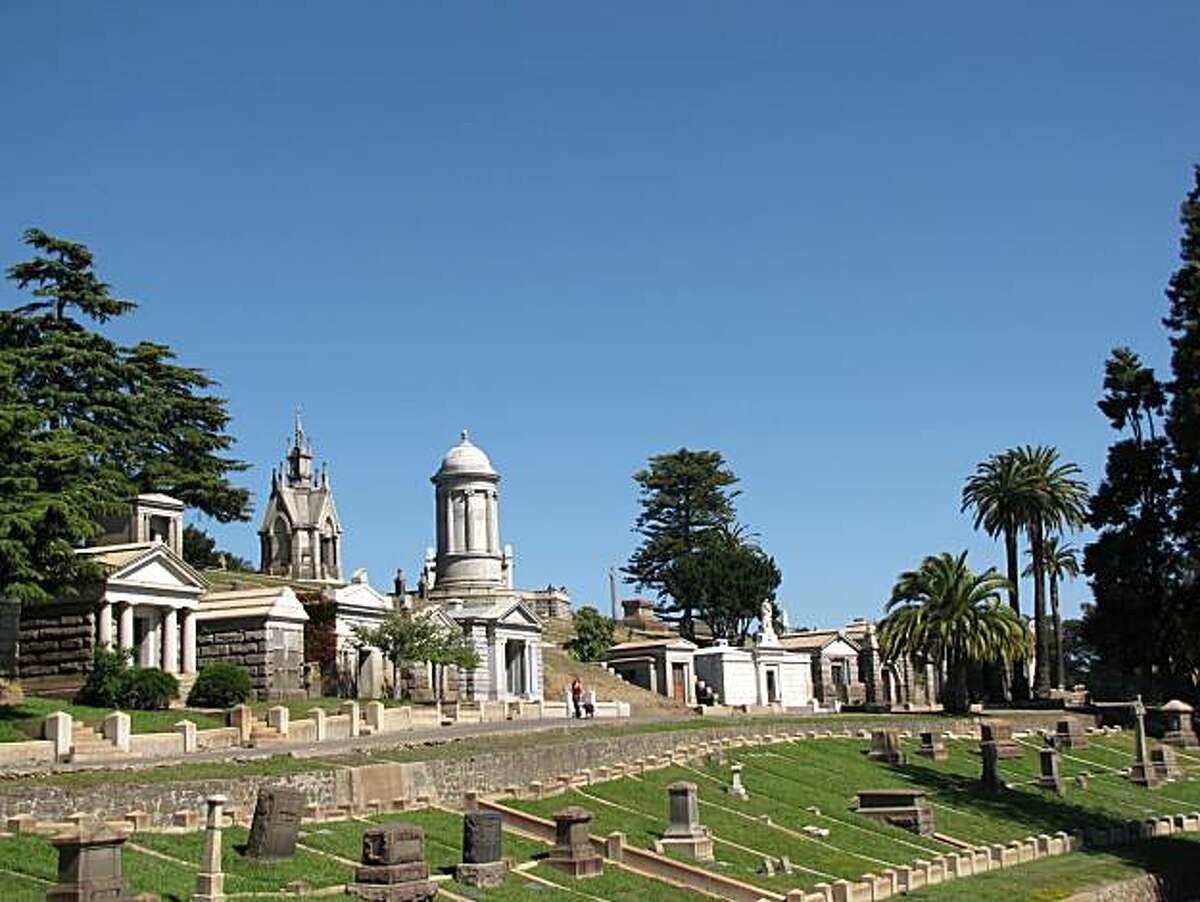
Rocklin Granite on Oakland’s Millionaire’s Row
The Charles Crocker monument in Oakland connects a celebrated architect and railroad family with skilled granite workers in Rocklin.
February 2026 · 2 min read
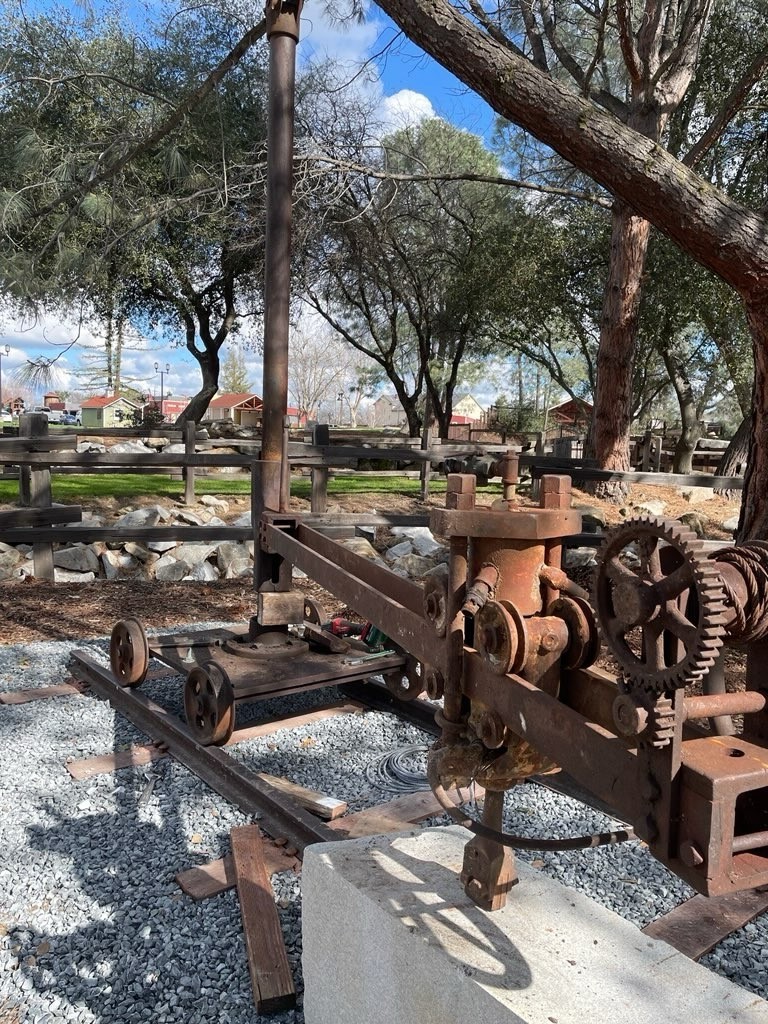
The Machine That Smoothed Rocklin’s Granite
A historic Capitol Quarry surfacing machine found a new home at Quarry Park in 2024, preserving a working piece of Rocklin’s granite industry.
July 2024 · 2 min read