
Historic Places · From the Spring 2006 archive
Why a Pyramid on the Whitney Ranch?
An unusual mausoleum invites questions that the historical record does not fully settle.
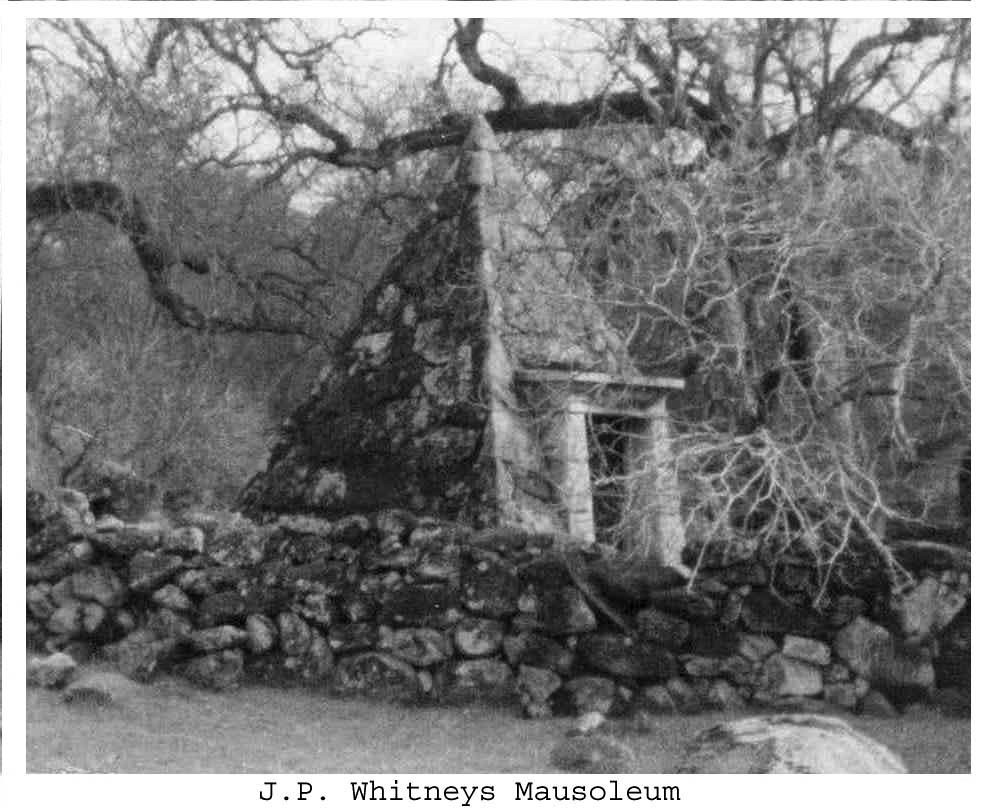
Why did a California ranching family choose a pyramid for a mausoleum? Gary Day’s Spring 2006 article explored that question without pretending the answer was certain.
The granite tomb stands within a circular enclosure known as the Fort. A photograph taken by Runnels and Stateler in the mid-1880s shows the enclosure before the pyramid existed.
A setting older than the tomb
Family recollections suggested that the Fort may once have served as a play area for Whitney’s children. The photograph establishes an important sequence: the enclosure came first.
The exact maker and construction date of the pyramid were not recorded in the sources Day consulted.
A possible inspiration
Archaeologist David Chavez proposed that Joel Parker Whitney’s visit to the 1867 Paris Exhibition might have exposed him to a model of an Egyptian pyramid and to contemporary interest in pyramid forms.
That is a theory, not a documented design commission. The article’s lasting appeal lies partly in that distinction: an unmistakable landmark survives, while some of the decisions behind it remain open to research.
There’s more to discover
Keep reading.
From the same newsletter
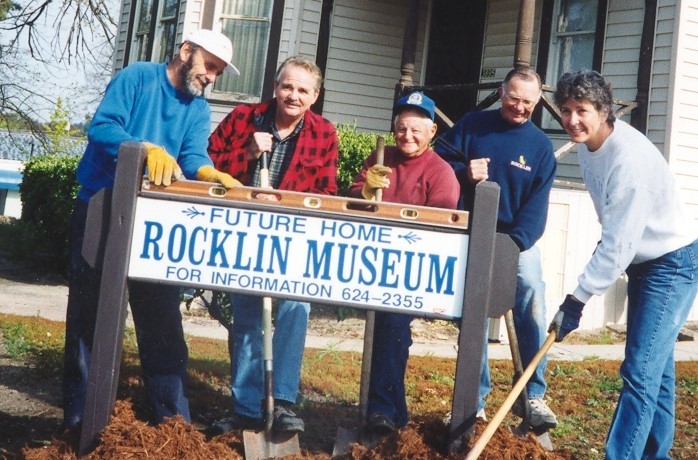
Learning to Tell Rocklin’s Story to Third Graders
Barbara Chapman encouraged museum volunteers to learn from experienced docents and help children connect with Rocklin’s history.
Spring 2006 · 2 min read
More Historic Places
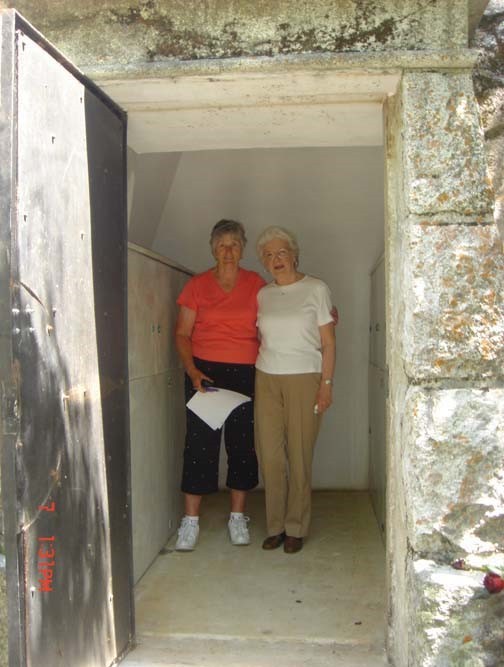
The Family History Inside the Whitney Pyramid
The Whitney mausoleum holds a family story that reaches from the founding of Spring Valley Ranch to its later division.
Summer 2006 · 2 min read
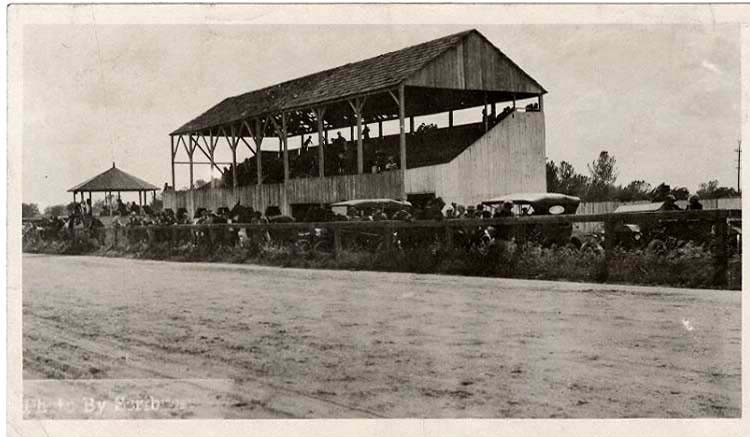
When Rocklin Went to the Races
Rocklin’s former racetrack hosted horses, bicycles, baseball, and holiday gatherings before declining in the early twentieth century.
Fall 2006 · 2 min read
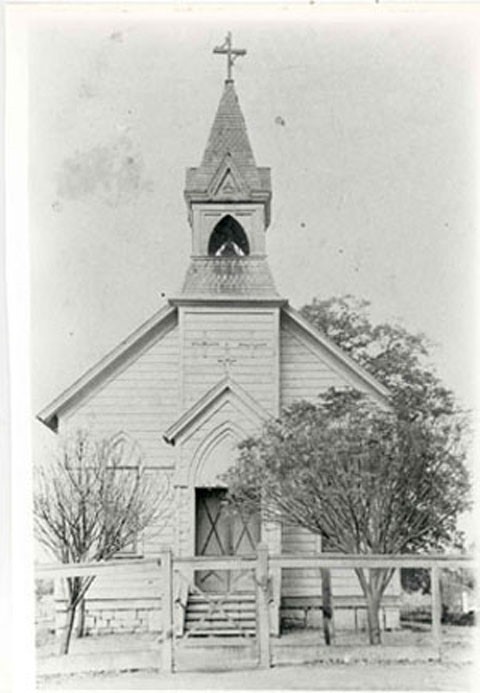
How Old St. Mary’s Survived to Begin Again
From its 1883 dedication to its 2007 restoration, Old St. Mary’s survived closures, damage, and a demolition proposal.
Fall 2007 · 2 min read