
Railroads & Quarries · From the May 2026 archive
How Granite, Railroads, and the Ruhkala Family Shaped Rocklin
The city’s stoneworking story connects immigrant families, heavy labor, railroad tracks, and buildings far beyond Rocklin.
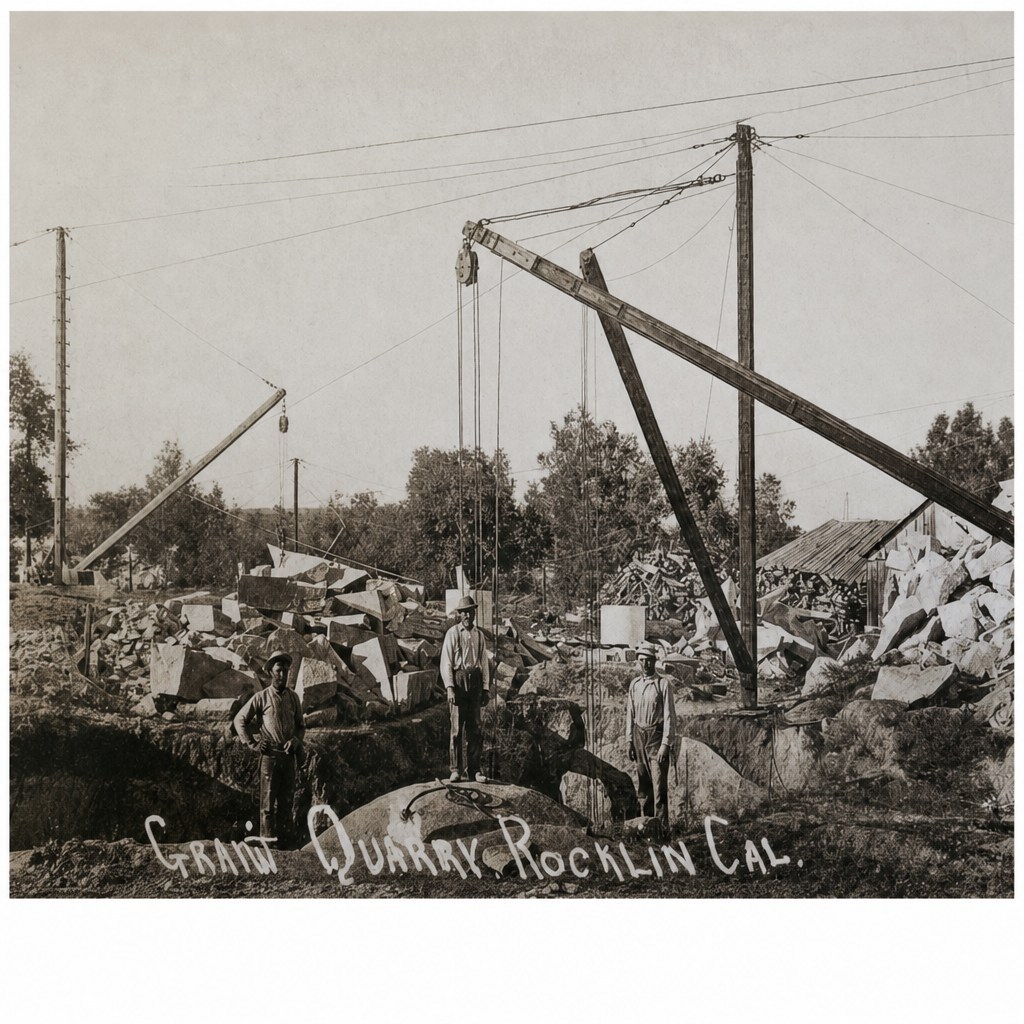
Some of the people who came to California looking for gold found a different opportunity in Rocklin. Granite outcrops offered valuable building stone, and immigrants familiar with European quarries recognized the possibilities.
Moving the stone was another matter. Early operators relied on horse- or ox-drawn carts. The Central Pacific Railroad’s arrival in the mid-1860s changed the business: spur tracks into quarry pits made it possible to load heavy blocks for shipment to distant builders.
An industry that built a community
As quarrying expanded, so did Rocklin. Letters home describing work and opportunity encouraged Finnish immigration. Families brought traditions as well as skills, leaving a lasting influence on the city’s cultural life.
The work was difficult and dangerous. Drilling, blasting, and hauling required long days; derricks lifted blocks weighing many tons. Labor disputes reflected the demands of that work. An 1890 strike sought a shorter workday, while a statewide strike beginning in 1915 sought an eight-hour day and higher wages. Many workers left the trade, and only three Rocklin quarries reopened after that strike, according to the family account.
The Ruhkala connection
Matt Ruhkala arrived from Finland in 1890 and learned the granite trade. His operations included a quarry near the present freeway and cemetery, another at today’s library site, and later a quarry and home on Ruhkala Road.
Four of his sons continued the family business as Union Granite Company, also known as Ruhkala Brothers. Their quarry, at the site now associated with Quarry Park Adventures, remained active until 2005—the last operating quarry in Rocklin.
Other pits became swimming places, ponds, or redevelopment sites. Yet the industry’s record survives in stone buildings, family photographs, quarry equipment, and the memories passed from one generation to another. The landscape still carries the marks of the work that gave Rocklin its name and livelihood.
There’s more to discover
Keep reading.
From the same newsletter
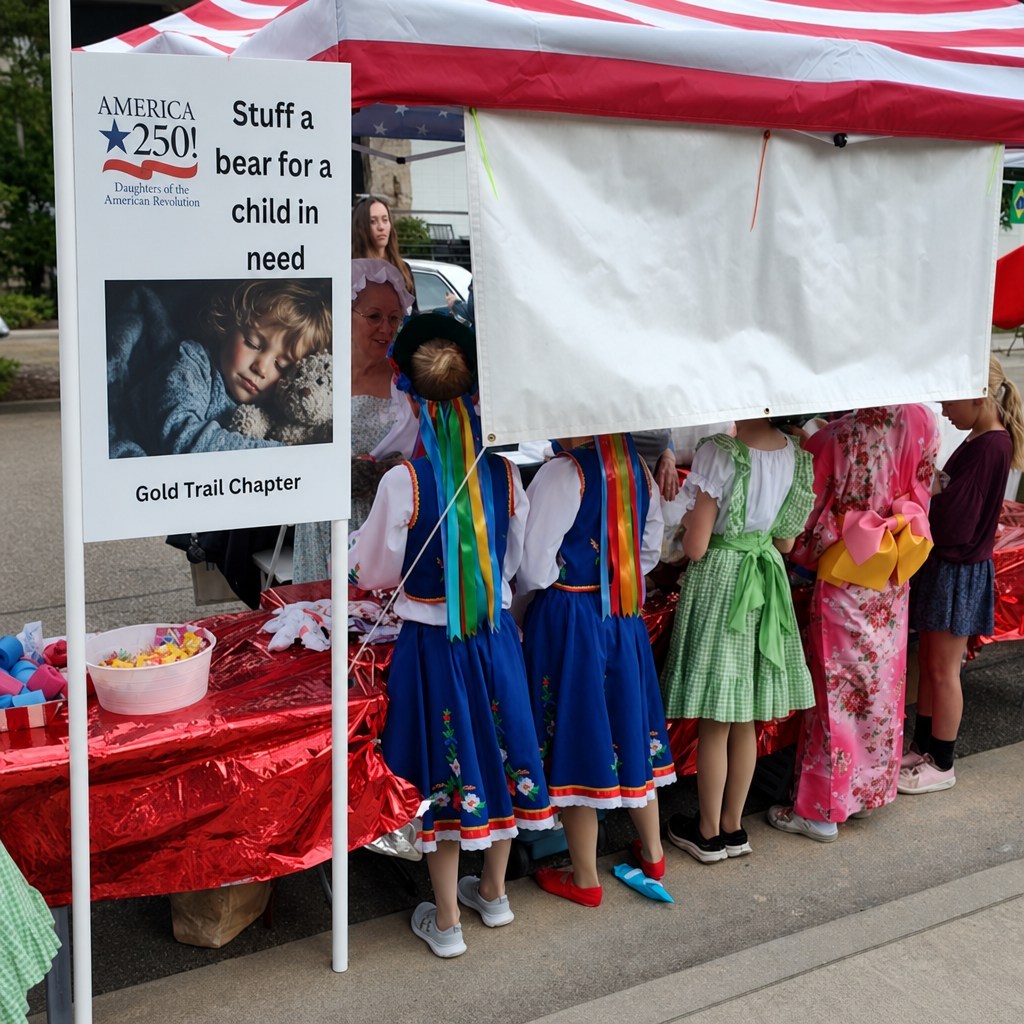
Rocklin’s 2026 Heritage Street Faire Filled Front Street with Culture
A look back at Rocklin’s May 2, 2026 Heritage Street Faire: granite, blacksmithing, international dance, music, and family activities.
May 2026 · 2 min read
More Railroads & Quarries
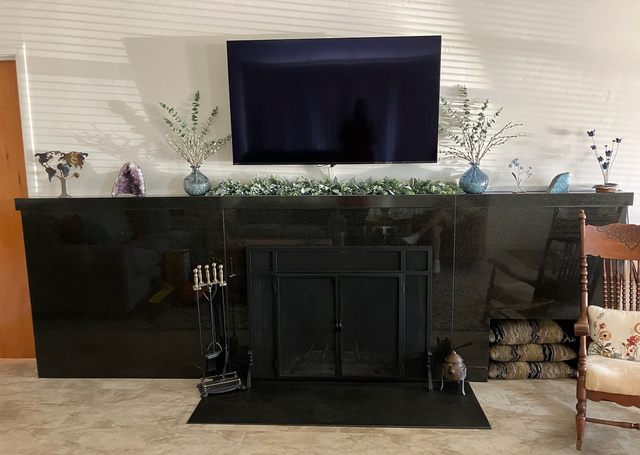
California Pearl: The Ruhkala Family’s Black Granite Discovery
How the Ruhkala brothers discovered California Pearl black granite near Loomis and brought it back to their Rocklin business.
Summer 2026 · 2 min read
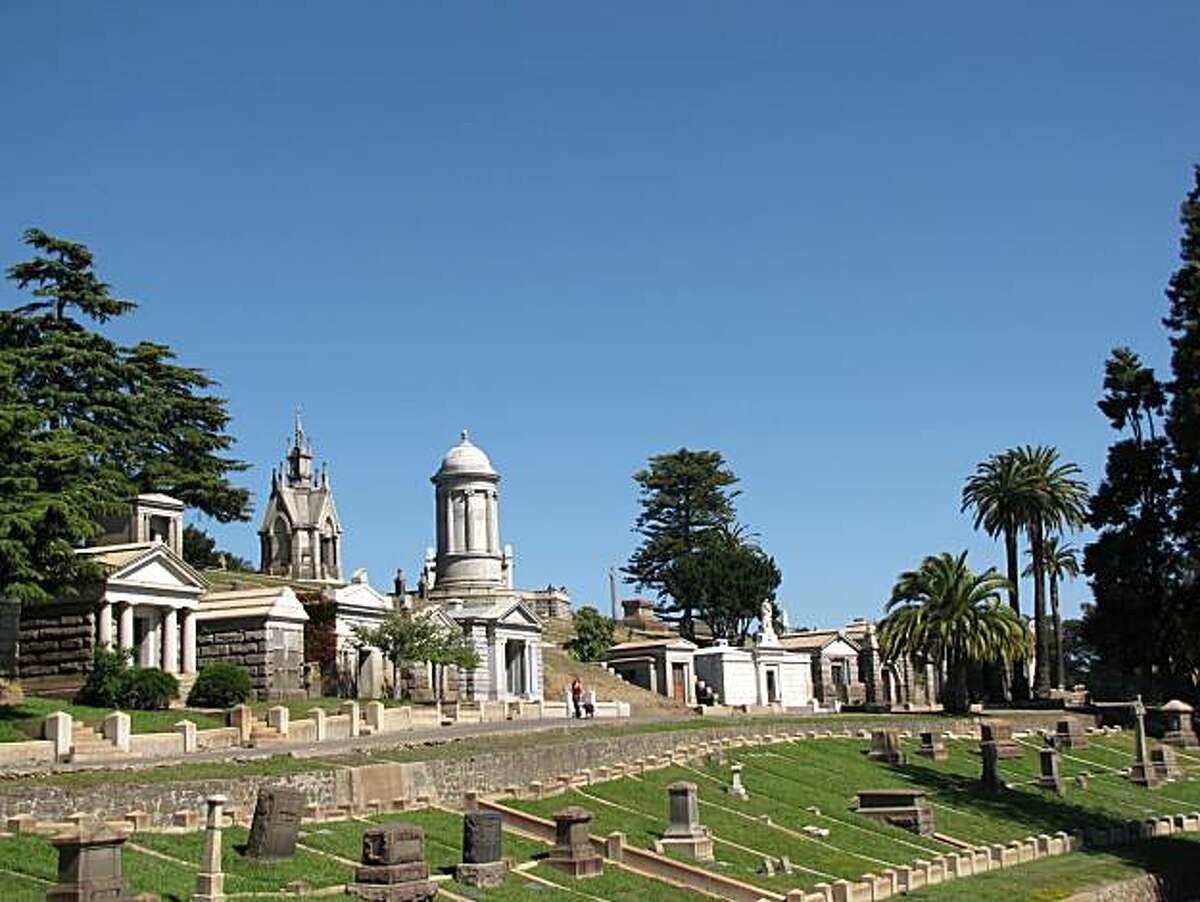
Rocklin Granite on Oakland’s Millionaire’s Row
The Charles Crocker monument in Oakland connects a celebrated architect and railroad family with skilled granite workers in Rocklin.
February 2026 · 2 min read
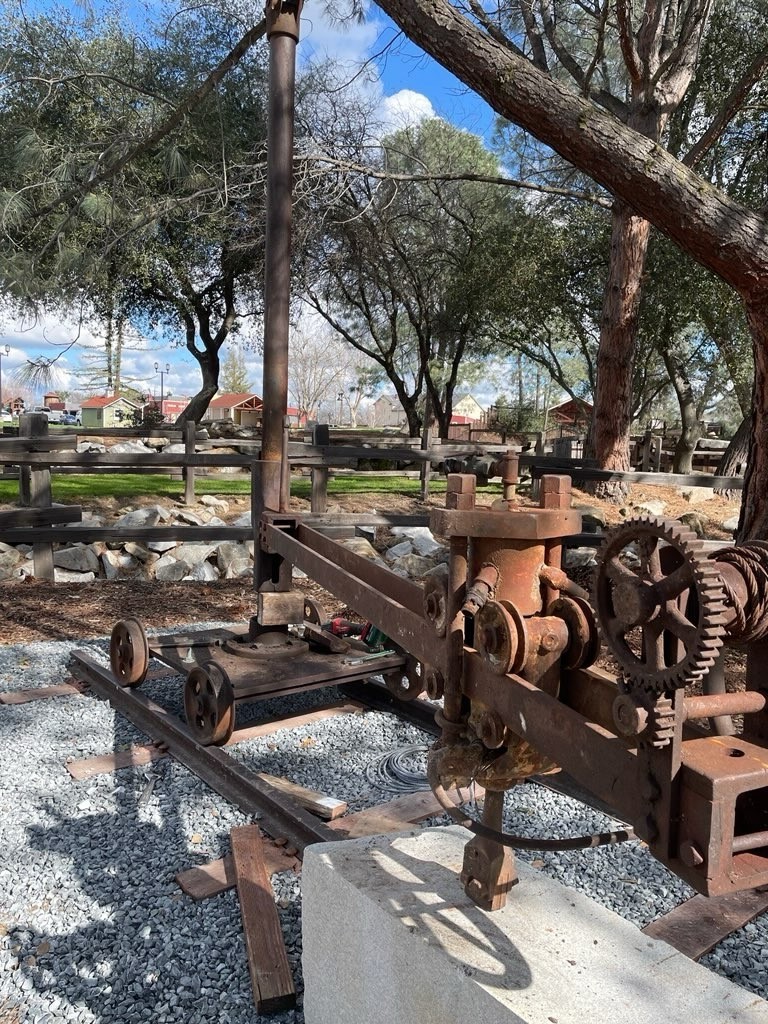
The Machine That Smoothed Rocklin’s Granite
A historic Capitol Quarry surfacing machine found a new home at Quarry Park in 2024, preserving a working piece of Rocklin’s granite industry.
July 2024 · 2 min read